






The Essence of Akshaya Tritiya
Akshaya Tritiya, falling on April 19, 2026, is a profoundly auspicious day in both Hindu and Jain traditions, signifying prosperity, enduring success,
and good fortune. The very term 'Akshaya' means 'never diminishing,' making it an ideal time for initiating new ventures, acquiring precious metals like gold, and engaging in acts of spiritual merit. Across India, this sacred occasion is observed with deep reverence and a rich tapestry of cultural practices. While the underlying spirit of unending blessings remains consistent, the manner of celebration unfolds with remarkable regional diversity. Each state imbues the festival with its distinct rituals, historical significance, and unique customs, presenting a beautiful mosaic of India's cultural landscape. From elaborate temple ceremonies in the southern regions to agricultural rites in the east and the prevalent tradition of gold purchasing in the west, Akshaya Tritiya truly mirrors the nation's multifaceted heritage.
Maharashtra's Golden Omen
In Maharashtra, Akshaya Tritiya is deeply intertwined with the pursuit of spiritual well-being and household affluence. Rooted in ancient beliefs of perpetual growth, its significance is echoed in tales like the Akshaya Patra from the epic Mahabharata, a divine vessel that provided inexhaustible sustenance. Early on this day, women adorn traditional attire and perform Lakshmi puja, often purchasing gold or silver with the intention of inviting lasting financial prosperity. Farmers, too, participate by honouring their ploughs and agricultural tools, offering prayers for abundant harvests in the coming season. Culinary traditions are also a highlight, with Puran Poli, a sweet flatbread made from chana dal and jaggery, being a popular delicacy enjoyed after temple visits. To ward off misfortune, many households refrain from consuming green vegetables and meticulously light diyas, applying sandalwood paste to religious idols. Acts of charity, such as distributing food and clothing to the less fortunate, are also prevalent, reinforcing the festival's vow of eternal fortune and everyday bliss, fostering a spirit of shared delight in these cherished customs.
Uttar Pradesh's Sacred Waters
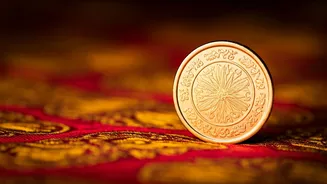
Uttar Pradesh, particularly the spiritual town of Vrindavan, becomes a vibrant hub of devotion during Akshaya Tritiya. This festival is historically associated with the birth of Lord Parashurama and the divine descent of the River Ganga, both events symbolizing purity and renewal. Devotees make their way to the revered Banke Bihari Temple, where it is the only day of the year that the deity's feet are visible, exquisitely adorned with sandalwood paste. Pilgrims engage in sacred dips in the Yamuna and Ganga rivers, seeking purification from sins and praying for a prosperous year ahead. The rituals often include the distribution of prasad such as sattu laddoos, aamras, cucumber, and refreshing juices following the puja. Many families also conduct Vishnu-Lakshmi worship in their homes, acquiring gold coins as a symbol of receiving blessings akin to Kubera's immense wealth.
Odisha's Agrarian Blessings
In Odisha, Akshaya Tritiya carries a profound connection to agriculture and spiritual well-being. Farmers consider this day exceptionally auspicious, marking the commencement of their sowing season with a significant ritual known as Akhi Muthi Anukula. During this ceremony, seeds are ritually planted in the fields, invoking blessings for a bountiful harvest. This practice is deeply ingrained in Odisha's agrarian heritage, where farming is viewed not merely as an occupation but as a sacred duty intrinsically linked to nature and divinity. Furthermore, a crucial aspect of the festival's observance in Odisha is its role in the construction of the grand chariots for the renowned Rath Yatra of Lord Jagannath. The chariot-building process officially commences on Akshaya Tritiya in Puri, symbolizing auspicious timing and prosperity. Devotees also visit temples, offer prayers, and generously donate food and essential items to those in need, believing that acts of charity performed on this day confer lifelong blessings. The traditions observed here beautifully encapsulate a harmonious fusion of devotion, agricultural practices, and community welfare.
West Bengal's Commercial Flourish
West Bengal observes Akshaya Tritiya with a strong emphasis on commerce and business endeavors. A widespread tradition among traders and shopkeepers involves commencing new accounting books on this particular day, a practice termed Halkhata. This custom, with its origins in historical mercantile practices, signifies fresh starts and the anticipation of financial success in the forthcoming year. Business owners typically extend invitations to their customers, offering sweets as a gesture of goodwill and seeking blessings for prosperity. Alongside these commercial observances, devotees also worship Lord Vishnu and Goddess Lakshmi, presenting them with offerings of flowers, fruits, and sweets. In rural areas, the festival retains its agricultural significance, with prayers offered for a successful harvest. This unique amalgamation of business-centric traditions and spiritual practices renders Akshaya Tritiya in West Bengal a distinct blend of economic and religious importance.
Rajasthan's Auspicious Unions
Known as 'Akha Teej' in Rajasthan, Akshaya Tritiya is a festival of considerable cultural and social import. Historically, the day has been regarded as so auspicious for unions that elaborate astrological timings, or 'muhurats,' are deemed unnecessary, leading to its popularity for weddings. This tradition persists, with many mass wedding ceremonies being organized on this day, particularly in rural communities, making it a significant social event. The festival also reflects Rajasthan's rich royal and cultural legacy. People embrace traditional attire, prepare festive feasts, and actively participate in community celebrations. Reverence for Lord Vishnu and engaging in charitable acts are common rituals. The prominent focus on marriage and fostering social connections underscores the state's cultural richness, where age-old traditions are deeply embedded within community life and historical practices.
Gujarat's Entrepreneurial Spirit
Gujarat celebrates Akshaya Tritiya with great enthusiasm, especially within its dynamic business communities. Recognized as an exceptionally auspicious day for financial activities, individuals frequently invest in gold, real estate, or new business ventures. This custom is deeply influenced by Gujarat's robust entrepreneurial spirit, where prosperity and growth are highly esteemed values. Historically, the festival is also linked to Lord Krishna, who is revered for having bestowed wealth upon his friend Sudama on this very day. Devotees flock to temples to offer prayers and actively participate in charitable endeavors. Acts of generosity, such as donating food and assisting the underprivileged, are widespread practices, further reinforcing the spiritual dimension of the festival. The celebrations in Gujarat artfully blend devotion, commercial acumen, and profound generosity.