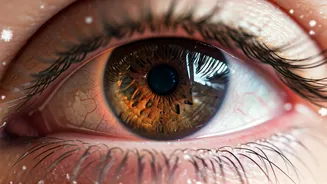








Winter's Dry Eye Effect
Winter brings a unique set of challenges to eye health, particularly exacerbating dry eye symptoms. The combination of environmental factors during this
season contributes to this increase in dryness and irritation. Indoor heating systems play a significant role by reducing humidity, creating a dry atmosphere that rapidly draws moisture from the eyes. Simultaneously, cold, windy conditions outside can strip away the tear film, the protective layer that keeps the eyes lubricated. These elements, working in concert, can lead to increased cases of dry eye.
Indoor Heating's Impact
Indoor heating significantly impacts the humidity levels within homes and offices, contributing to dry eye. The use of heaters, whether central heating, radiators, or portable devices, warms the air but often diminishes its moisture content. This drier indoor climate causes the tear film, which normally coats the eye surface, to evaporate more quickly. This accelerated evaporation leads to the hallmark symptoms of dry eye: dryness, burning, itching, and a gritty sensation. Individuals spend a large portion of the day indoors during the winter, amplifying the effects of these dry conditions, and potentially intensifying their discomfort.
Wind, Cold, and Eyes
The outdoor winter environment also presents challenges for eye health. Cold, blustery winds directly impact the eyes, causing increased tear evaporation. The wind can sweep away the tear film, leading to dryness and irritation. Prolonged exposure to these conditions can make the eyes feel gritty, sore, and sometimes lead to blurred vision. Additionally, the cold itself can affect the function of the meibomian glands, which produce the oil component of tears. This oil is essential for preventing tear evaporation; when the glands are compromised, the eyes become even more susceptible to dryness.
Symptoms to Watch
Recognizing the symptoms of dry eye is essential for effective management. Common signs include a stinging, burning sensation in the eyes, a feeling of grittiness as if something is in the eye, and blurry vision. Other symptoms include redness, sensitivity to light, and sometimes excessive watering as the eye tries to compensate for the dryness. These symptoms can worsen during winter due to the combined effects of dry indoor air and outdoor conditions. Recognizing these symptoms allows individuals to take proactive steps to relieve discomfort.
Managing Dry Eyes
Managing dry eyes during the winter requires a multi-pronged approach. Using artificial tears regularly can provide immediate relief by supplementing the natural tear film, especially when exposure to dry environments is unavoidable. Humidifiers help to combat indoor dryness by adding moisture to the air. Staying well-hydrated is also crucial, as proper hydration supports tear production. When outdoors, wearing wraparound glasses or sunglasses can shield the eyes from wind and cold. Moreover, taking breaks when doing activities that require prolonged focus, such as reading or working on a computer, and remembering to blink frequently can help prevent the eyes from drying out.
Lifestyle Adjustments
Lifestyle changes can significantly impact dry eye symptoms during the winter months. Adjusting indoor habits is key. Position yourself away from direct heat sources such as vents or radiators. Regular breaks from screen time, focusing on distant objects every 20 minutes (the 20-20-20 rule), can reduce strain and help maintain adequate tear production. Dietary adjustments also play a role; incorporating omega-3 fatty acids, found in foods like fish and flaxseed, can improve tear quality and reduce inflammation. Limiting exposure to smoke and other irritants can also mitigate discomfort. Remember that even small changes can substantially improve comfort.
Seeking Professional Help
If dry eye symptoms are severe or persistent, seeking professional help from an ophthalmologist or optometrist is important. A healthcare professional can accurately diagnose the underlying causes and recommend tailored treatments. These treatments might include prescription eye drops, punctal plugs to retain tears, or other advanced therapies. Regular eye exams ensure the eyes are healthy and receive proper care, especially when experiencing recurrent dry eye symptoms during the winter months. An eye doctor can offer advice specific to your condition and lifestyle.