







The Silent Threat
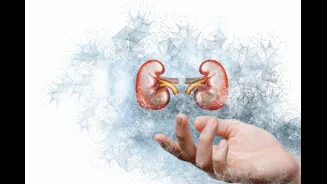
Chronic Kidney Disease (CKD) is a formidable health challenge in India, with the nation ranking second globally in affected individuals. This insidious
condition, often called a 'silent killer,' progresses stealthily, gradually impairing the kidneys' vital function of filtering waste and excess fluid from the bloodstream. As the kidneys falter, harmful toxins accumulate, significantly increasing the risk of severe health issues such as heart disease and stroke. Alarmingly, CKD frequently goes unnoticed until it reaches an advanced stage, where nearly 90 percent of kidney function has already been compromised. Dr. Visweswar Reddy, a Senior Consultant in Nephrology, underscores the critical need for public awareness regarding the subtle, early indicators of this progressive and irreversible ailment.
Detecting Subtle Clues
When the kidneys begin to fail, subtle changes in bodily functions can serve as crucial early indicators. One such sign is 'frothy urine,' where the urine appears unusually bubbly or foamy in the toilet bowl. This characteristic often points to an elevated presence of protein, known as proteinuria, a red flag signaling stress on the kidneys' filtering mechanisms. Another important, yet often overlooked, sign is a frequent urge to urinate, particularly during the night (nocturia). This increased frequency can indicate that the kidney's filters are damaged, diminishing their capacity to concentrate urine effectively. Consequently, the body expels more dilute urine to manage fluid balance and eliminate waste products. Furthermore, experiencing 'swollen feet' or edema is a common early manifestation. This swelling occurs when compromised kidneys struggle to excrete excess fluid and sodium, leading to fluid accumulation in the extremities. Finally, a noticeable 'loss of appetite' coupled with 'vomiting' can also be indicative of CKD. These gastrointestinal symptoms are often attributed to the buildup of uremic toxins in the bloodstream as kidney function declines, contributing to feelings of nausea and general malaise.
Why Early Detection Matters
The significance of identifying Chronic Kidney Disease in its nascent stages cannot be overstated, given its irreversible nature and severe consequences. Catching CKD early is the sole viable strategy to halt or significantly decelerate its progression, preventing the complete loss of kidney function that necessitates life-altering treatments. By intervening promptly, individuals can often preserve sufficient kidney capacity to avoid the need for dialysis or a kidney transplant altogether. Moreover, proactive screening is paramount for individuals with known risk factors. With approximately 40 percent of diabetic patients and a similar percentage of those with long-standing hypertension being at heightened risk of developing CKD, early detection allows healthcare professionals to address the underlying issues and manage the damage before it becomes life-threatening. This timely medical attention is key to safeguarding kidney health and preventing the onset of severe complications.
Simple Screening Tests
Assessing kidney health doesn't necessitate complex or invasive procedures, according to Dr. Reddy. He highlights three fundamental diagnostic tests that provide a clear and comprehensive overview of kidney performance. The 'Serum Creatinine Blood Test' measures the levels of creatinine, a waste product generated from muscle metabolism. Healthy kidneys efficiently filter out creatinine, so elevated levels in the blood are a strong indicator of impaired kidney function, whether it's chronic disease or acute failure. Typically, normal ranges are between 0.7–1.3 mg/dL for men and 0.6–1.1 mg/dL for women. The 'Urine Examination,' or urinalysis, is another crucial test. It meticulously evaluates urine for indicators of kidney damage, primarily focusing on the presence of protein (albumin), blood, and waste products like creatinine to gauge the kidneys' filtering efficiency. Lastly, a 'Blood Sugar Test' is vital, especially in India where diabetes is the leading cause of kidney disease. Monitoring blood glucose levels can help identify diabetes early, a critical step in preventing its detrimental impact on kidney health.
Who Needs Vigilance
Certain groups of individuals face a substantially elevated risk of developing Chronic Kidney Disease and should exercise particular caution. Foremost among these are 'Individuals with Diabetes,' as diabetes is the primary driver of CKD, impacting about one-third of diabetic adults. Consistently high blood sugar levels gradually damage the delicate blood vessels and filtering units within the kidneys, leading to protein leakage into the urine and a progressive loss of filtration capacity, which can ultimately culminate in kidney failure. Equally at risk are those with 'Hypertension (High Blood Pressure).' The relationship between high blood pressure and kidney disease is bidirectional; uncontrolled hypertension inflicts damage on kidney blood vessels, fostering CKD, while compromised kidneys struggle to regulate blood pressure, exacerbating hypertension. A 'Family History' of kidney disease also significantly raises an individual's susceptibility, as genetic predispositions and shared lifestyle factors play a role. Furthermore, 'Adults Over 18 with Risk Factors,' even if they are younger, should undergo regular screening if they have any of the aforementioned underlying conditions, ensuring early detection and management.