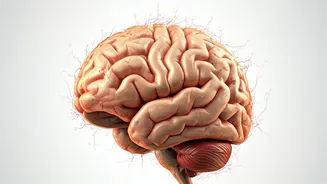

B12 & Brain Health
Vitamin B12 is essential for maintaining optimal brain function. This crucial vitamin plays a significant role in nerve cell health and the production
of myelin, a protective sheath that covers nerves, and it facilitates the normal functioning of nerves. A deficiency in B12 can thus disrupt neurological processes, leading to cognitive impairments that mimic dementia. The brain relies on a steady supply of B12 to produce neurotransmitters, chemicals that transmit signals between nerve cells. When B12 levels are low, the production of these neurotransmitters can be affected, potentially causing issues like memory problems and a general decline in cognitive abilities. The impact can vary, but generally, a sustained deficiency can increase the risk of neurological complications, including dementia-like symptoms.
Cognitive Mimicry
One of the critical ways vitamin B12 deficiency can manifest is through cognitive symptoms that closely resemble dementia. Individuals with low B12 often experience memory loss, specifically difficulties with short-term memory, which impacts their ability to recall recent events or conversations. They may also struggle with concentration and focus, making it challenging to complete daily tasks. Confusion and disorientation can also be common, making it difficult to understand time, place, and even familiar surroundings. These symptoms can be subtle initially, but they may escalate over time if the deficiency remains unaddressed. The overlap in symptoms makes diagnosis challenging. It emphasizes the importance of a thorough medical evaluation, including blood tests to measure B12 levels, when cognitive problems surface.
Symptoms and Signs
Beyond cognitive issues, a B12 deficiency can produce a range of other symptoms, some of which are not immediately linked to the brain. Fatigue is a widespread symptom, as B12 is crucial for energy production within cells. This can lead to persistent tiredness and a general lack of vitality. Tingling and numbness in the hands and feet can also occur due to nerve damage. Mood changes, including depression and irritability, have also been linked to low B12 levels, due to the vitamin's role in the synthesis of mood-regulating neurotransmitters. Additionally, gastrointestinal problems such as loss of appetite and weight loss may occur, because B12 helps in the digestion process. Skin changes, such as paleness or a yellowish tint (jaundice), can also be a sign of a deficiency, indicative of anemia, which is often associated with the lack of B12.
Diagnosis and Treatment
Identifying a vitamin B12 deficiency relies on a comprehensive medical assessment. Doctors typically begin by inquiring about a patient's medical history and performing a physical examination to identify any apparent signs. Blood tests are essential for measuring the levels of B12 in the body. However, testing may not be the whole picture. Some patients with normal B12 levels can still show symptoms of the deficiency. Once a deficiency is confirmed, treatment usually involves B12 supplementation. This can be done through injections or high-dose oral supplements. The specific course of treatment is tailored to the individual's needs, taking into account the cause and the severity of the deficiency. Early intervention is crucial, as prompt treatment can often reverse or slow the progression of cognitive and other related symptoms. Regular monitoring of B12 levels is often advised to ensure optimal health.