







Embrace Steam Cleaning
Steam cleaning presents a remarkably effective approach to sanitizing and rejuvenating bathroom surfaces. The process is a simple, straightforward application
that doesn't demand professional-grade equipment, making it an excellent choice for any homeowner. The heat and moisture of steam act as a powerful cleaning agent, penetrating deep into crevices to eradicate dirt, grime, and even mold. By integrating this method into your cleaning routine, you can not only enhance the aesthetic appeal of your bathroom but also foster a healthier environment by minimizing the need for harsh chemicals. Steam cleaning is particularly well-suited for tiles, grout, and other hard surfaces commonly found in bathrooms, ensuring a thorough and efficient cleaning process that delivers outstanding results.
Vinegar and Baking Soda
The dynamic duo of vinegar and baking soda are exceptional when it comes to tackling bathroom cleaning challenges. Vinegar's acidic properties are extremely effective at dissolving soap scum, hard water stains, and mildew, all of which are common problems in bathrooms. Baking soda, on the other hand, acts as a mild abrasive, aiding in the removal of stubborn dirt without scratching surfaces. To utilize this combination, create a paste by mixing baking soda with water and apply it to the affected areas. Allow it to sit for a few minutes before scrubbing gently. Afterwards, spray the area with vinegar; the resulting fizzing action will help lift away the grime. Rinse thoroughly with water, and you'll be amazed at the clean results.
Lemon Juice for Stains
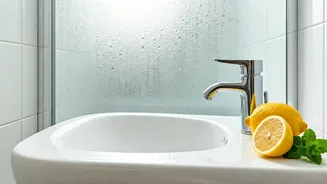
Lemon juice serves as a natural stain remover, making it another useful tool in your cleaning arsenal. Its acidity mirrors that of vinegar, enabling it to break down and eliminate various types of stains. Moreover, lemon juice leaves behind a fresh, clean scent, unlike some other cleaning solutions. To use lemon juice for stain removal, apply it directly to the stain, letting it sit for a period of time, anywhere from 15 minutes to an hour depending on the stain's severity. Gently scrub the area with a soft brush or cloth. Then, rinse the area with water, and the stain should disappear, leaving behind a clean and refreshed surface. It is particularly effective on soap scum, mineral deposits, and other light stains.
Tile Cleaning Maintenance
Keeping your bathroom tiles clean and fresh doesn't have to be a costly or labor-intensive task. Regular maintenance is key to preventing the buildup of grime and stains, extending the life of your tiles, and reducing the amount of effort required for cleaning. After each shower, wipe down the tiles to remove excess moisture and prevent the growth of mildew and mold. Use a mild dish soap solution for regular cleaning, as it effectively removes dirt without damaging the tiles' surface. A simple solution of warm water and a few drops of dish soap can work wonders. Avoid abrasive cleaners and harsh chemicals, as they can erode the tile’s sealant and damage the surface. By implementing a consistent cleaning routine, you can keep your tiles looking their best for years to come.
Preventing Mold Growth
Preventing mold growth is an essential component of maintaining a healthy bathroom environment, and it's something that can be easily achieved with some simple strategies. Mold thrives in humid environments, which is precisely why bathrooms are prime breeding grounds. Proper ventilation is critical for controlling moisture levels and preventing mold. Always ensure your bathroom has adequate ventilation, either through an exhaust fan or by opening a window after showering. Regularly inspect the bathroom for signs of mold, such as dark spots or musty odors. If you detect any mold, clean it immediately using a solution of water and vinegar, or a commercial mold cleaner. By staying proactive, you can effectively combat mold growth and keep your bathroom fresh and healthy.
Dish Soap: Simple Solution
Dish soap proves to be a versatile and accessible cleaning agent that can be used for a wide range of cleaning tasks, including bathroom cleaning. Its ability to cut through grease and grime makes it an excellent choice for removing soap scum and other deposits that commonly accumulate in bathrooms. When using dish soap, mix a few drops with warm water and apply it to the surface you wish to clean, whether it's the tiles, the shower walls, or the sink. Use a sponge or soft cloth to scrub the area gently, then rinse thoroughly with water. Dish soap is gentle enough not to damage most bathroom surfaces, making it a safe and convenient option for regular cleaning. Additionally, it is cost-effective and readily available, making it a practical choice for maintaining a clean and inviting bathroom.