







Nutritional Powerhouse
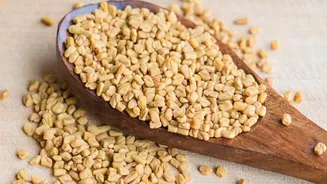
Fenugreek seeds are more than just tiny grains; they're packed with beneficial components that contribute to overall well-being. Primarily, their rich
fiber content aids digestion and can influence how the body processes carbohydrates. Within these seeds, compounds like galactomannan are believed to play a role in metabolic processes, potentially affecting how the body handles sugar. While these attributes are frequently highlighted for their health-promoting capabilities, the precise extent of their influence on blood glucose levels is an ongoing area of scientific exploration, with researchers continuing to uncover the intricate mechanisms at play.
Scientific Scrutiny
The scientific community has put fenugreek seeds under the microscope to understand their actual effect on blood sugar. Various studies have been conducted, with some suggesting a positive correlation: fenugreek might help reduce fasting blood glucose levels by enhancing insulin sensitivity. However, it's crucial to note that the findings aren't always consistent. Some research has yielded no significant impact, highlighting the need for more extensive and conclusive studies. Therefore, while promising, the definitive efficacy of fenugreek in blood sugar control remains a subject requiring further robust investigation to establish clear scientific consensus.
Prudent Consumption Advice
For individuals interested in incorporating fenugreek seeds into their diet for potential blood sugar benefits, a common guideline suggests consuming one to two teaspoons daily. This intake can be achieved by soaking the seeds overnight to soften them or by grinding them into a fine powder. It is absolutely essential, however, to engage in a conversation with a healthcare professional before making any substantial alterations to your diet, especially if you are managing existing health conditions or are on medication. This ensures that any new dietary practice aligns with your overall health management plan.
Safety and Precautions
While fenugreek is generally considered safe for most people when consumed in moderate amounts, it's not without potential side effects. Some individuals might experience mild gastrointestinal discomfort, such as bloating or indigestion, while others could develop allergic reactions. Particular caution is advised for pregnant women, who are generally recommended to avoid high doses of fenugreek due to potential implications for pregnancy. As with any dietary supplement or significant change to eating habits, a cautious approach is always warranted, and seeking professional medical advice is the most prudent step to ensure safety and well-being.