



Selecting Your Vibe
The initial step in integrating retro prints involves a careful selection process that ensures visual harmony. It's crucial to consider your existing interior's
color scheme. Retro patterns often boast vibrant hues and distinct geometric shapes, which can either beautifully complement or jarringly contrast with a modern backdrop. Therefore, the aim is to choose prints that resonate with your current palette while simultaneously introducing an engaging element of visual interest. This thoughtful approach prevents the decor from feeling disjointed and instead fosters a cohesive, stylish environment that thoughtfully balances nostalgic appeal with contemporary aesthetics. Think about the mood you want to evoke – are you aiming for a subtle nod to the past or a bold statement? The print’s color saturation and pattern complexity will greatly influence this outcome, so choosing wisely is paramount to a successful retro-inspired design.
Mastering Pattern Play
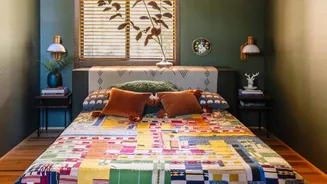
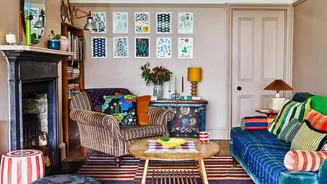
Successfully mixing different patterns, especially when incorporating a retro element, requires a delicate touch. A highly effective strategy involves pairing a prominent retro print with a couple of smaller, complementary patterns. This technique prevents the space from feeling overly busy or chaotic, allowing the retro design to make its intended impact without overwhelming the senses. To maintain visual unity, it's advisable to limit yourself to two or, at most, three distinct patterns within a single room. Ensuring these chosen patterns share similar color undertones or a common hue can create a thread of cohesion, making the eclectic mix appear intentional and curated rather than accidental. This balanced approach to pattern mixing ensures that each element contributes to the overall aesthetic without detracting from the others, resulting in a layered and dynamic interior.
Textile Introductions
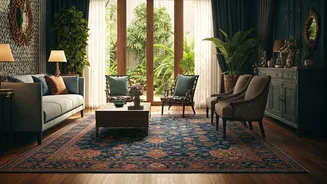
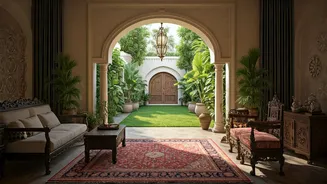
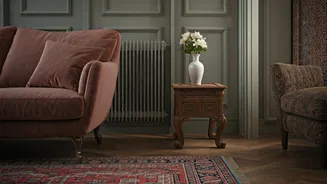
Introducing retro prints into your home doesn't necessitate extensive renovations; textiles offer a wonderfully accessible avenue. Items such as cushions, throws, or area rugs adorned with vintage-inspired designs provide an effortless way to infuse a space with retro character. These pieces can echo the distinctive styles of bygone eras while seamlessly fitting into contemporary living spaces. By incorporating these elements, you not only add a layer of warmth and tactile richness to your decor but also significantly enhance the overall visual appeal. Think of a plush velvet cushion with a geometric 70s pattern on a modern sofa, or a small, intricately patterned rug anchoring a seating area. These textile accents allow for experimentation and can be easily updated, making them a flexible choice for incorporating nostalgic touches.
Strategic Accents
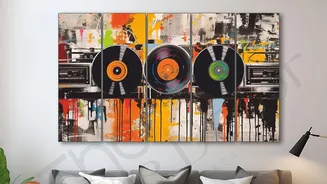
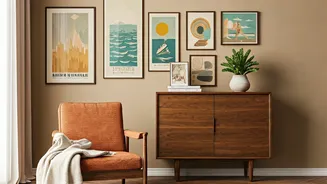
Beyond textiles, accent pieces serve as potent tools for introducing retro prints and drawing the eye. Imagine a striking lamp with a base featuring a psychedelic print, or a piece of contemporary art framed with a vintage-style motif. Even a single armchair upholstered in a bold retro fabric can act as a powerful focal point. The key lies in strategic placement; position these items where they can command attention without monopolizing the entire room’s visual energy. A well-placed accent piece can elevate the entire aesthetic, adding personality and a unique narrative to your living space. This curated approach ensures that each retro-infused element contributes meaningfully to the room's design, creating points of interest that are both sophisticated and inviting, rather than simply decorative.
Blending Eras
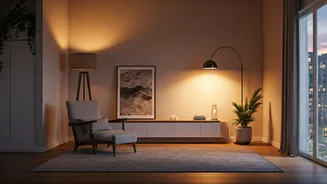
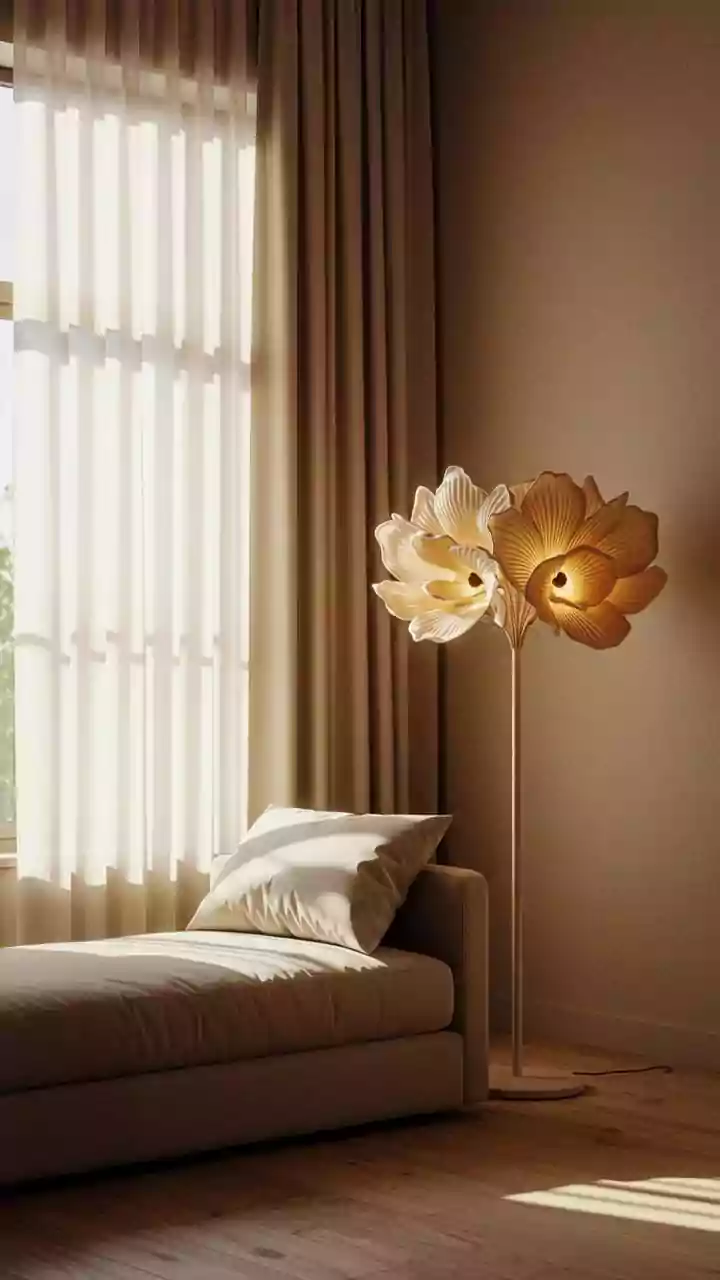
To ensure your home strikes a harmonious chord between retro charm and modern sophistication, a thoughtful balance is essential. The goal is to prevent your space from leaning too heavily into a purely vintage feel. Achieve this by juxtaposing your chosen retro prints with contemporary elements. This could involve incorporating sleek, minimalist furniture, uncluttered accessories, and modern lighting fixtures. These contemporary touches act as a visual counterpoint to the more ornate or bold retro designs, preventing the overall look from becoming overly dense or dated. The interplay between the old and the new creates a dynamic and visually engaging environment that celebrates the best of both worlds, offering a fresh perspective on retro-inspired interior design while maintaining a clean and current aesthetic.