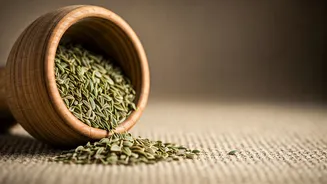

Dill Seeds Unveiled
Dill seeds, derived from the dill plant (Anethum graveolens), contain potent compounds that contribute to their therapeutic effects, especially on muscles.
These compounds interact with the body in various ways. Specifically, dill seeds are rich in flavonoids and other antioxidants, which combat inflammation—a significant factor in muscle tension and pain. When ingested or applied topically, these compounds work to reduce oxidative stress, effectively relaxing muscle fibers and easing discomfort. Furthermore, dill seeds possess antispasmodic properties, meaning they can help prevent and alleviate muscle spasms. This is due to their ability to influence calcium channels in muscle cells, thereby promoting relaxation. The overall effect is a soothing action that helps to alleviate muscle tension and promote better overall well-being. Regular use of dill seeds, as part of a holistic approach, can contribute to managing muscle-related issues effectively. This makes it an appealing choice for individuals looking for natural pain-relieving options.
How They Function
The mechanism of action of dill seeds in relieving muscle tension involves several key pathways. Firstly, the anti-inflammatory properties of dill seeds come into play. The flavonoids and other antioxidants contained within dill seeds neutralize free radicals, thereby minimizing oxidative stress that often contributes to muscle inflammation. This reduction in inflammation subsequently decreases pain and tension. Secondly, the antispasmodic qualities are crucial. Dill seeds can influence the channels that control calcium movement within muscle cells. This action promotes muscle relaxation by preventing excessive contraction. Specifically, by modulating the calcium channels, dill seeds help the muscles to stay in a relaxed state, offering significant relief from spasms. Furthermore, they are thought to impact the nervous system, potentially affecting the signals that contribute to muscle tightness. By targeting various aspects of muscle function at the cellular level, dill seeds are able to provide a comprehensive approach to muscle relaxation. They not only address the symptoms but also assist with the underlying causes of muscle tension and spasms, making them a well-rounded natural remedy.
Precautions to Consider
While dill seeds are generally considered safe, there are essential precautions to take. Individuals with known allergies to plants within the Apiaceae family (which includes dill, fennel, and parsley) should exercise caution, as they may experience allergic reactions, such as skin rashes or respiratory problems. Pregnant or breastfeeding women should consult with a healthcare professional before using dill seeds, due to limited research on their safety during these periods. Those with bleeding disorders or on blood-thinning medications should use dill seeds with caution, because of their potential effects on blood clotting. It is also important to adhere to the recommended dosages. Excessive consumption of dill seeds can cause side effects like gastrointestinal issues. Always start with a small amount to gauge your body's response, and if using dill seed essential oil topically, it should always be diluted with a carrier oil to prevent skin irritation. By observing these precautions, individuals can safely harness the therapeutic benefits of dill seeds and minimize possible adverse effects.
Benefits Beyond Relief
Dill seeds provide a range of health benefits that go beyond simple muscle relaxation. The high concentration of antioxidants in dill seeds plays a significant role in overall health and wellness. These antioxidants help protect the body against cell damage caused by free radicals, potentially reducing the risk of chronic diseases. Dill seeds are known to assist in better digestion. They can help with bloating, gas, and indigestion. Their carminative properties help reduce the buildup of gas in the gut, promoting a healthy digestive system. Dill seeds also can contribute to improved bone health. They are a good source of calcium, which is essential for maintaining strong and healthy bones, and they contain other minerals which are helpful in bone formation and density. Dill seeds may also help support the immune system because they contain vitamins and minerals essential for supporting the body's defenses. Regularly including dill seeds in your diet can contribute to overall health and well-being, promoting various aspects of your health and well-being.
Ways to Use
There are several practical ways to incorporate dill seeds into your wellness routine. For muscle relief, you can prepare a dill seed tea by steeping a teaspoon of seeds in hot water for about 10–15 minutes. This can be consumed to provide internal relief from muscle tension. You may also create a massage oil by infusing dill seeds in a carrier oil (such as olive or coconut oil). The infused oil can then be used to massage the affected areas, providing localized relief. In cooking, dill seeds can be added to various dishes to boost flavor and provide their health benefits. Sprinkle the seeds over salads, add them to soups, stews, or use them in baked goods. You can also mix dill seeds into yogurt or smoothies, providing a healthy boost to your diet. For topical applications, dill seed essential oil, when properly diluted, can be added to bathwater to relax muscles and soothe aches. Always remember to start with a small amount to gauge your body's response. Integrating dill seeds into your daily routine is an accessible way to harness their healing properties and enhance your overall well-being.