





The Art of Aging Gracefully
While exercise and diet are well-known for promoting healthy aging, a significant study from University College London has introduced a surprising new
element to the equation: arts and cultural engagement. Researchers found that regularly participating in activities like visiting museums, painting, singing, and attending cultural events might actually help to decelerate the biological aging process. This research is gaining global attention because it suggests that creativity and culture are more than just enjoyable pastimes; they can have tangible impacts on physical health, stress levels, and even markers of aging at the DNA level. This study aligns with a growing body of evidence exploring how artistic engagement can positively influence the long-term health, mental well-being, and overall quality of life for adults, especially as societies grapple with increasing rates of loneliness and stress-related illnesses.
Scientific Insights into Age Reversal
The core of this groundbreaking research, published in the journal 'Innovation in Aging,' involved analyzing data from 3,556 UK adults, including survey responses and blood samples. Scientists meticulously compared the frequency of participants' involvement in arts and cultural activities with specific changes in their DNA that are indicative of biological aging. These changes were quantified using sophisticated 'epigenetic clocks,' which serve as scientific tools to estimate an individual's biological age, distinct from their chronological age. The study's key finding was that individuals who consistently participated in artistic and cultural endeavors appeared to be biologically younger than those who seldom engaged. Specifically, engaging in arts activities on a weekly basis was associated with aging approximately 4% more slowly, and even monthly participation demonstrated noticeable benefits. In one critical measurement, known as PhenoAge, participants engaging weekly in arts and culture were, on average, biologically about one year younger than their counterparts who rarely participated.
A Spectrum of Creative Activities
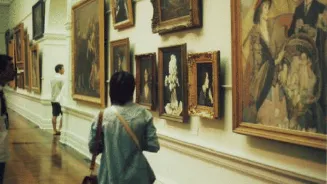
The study embraced a broad definition of cultural and artistic participation, encompassing a wide array of activities that participants engaged in. This diverse list included visiting cultural institutions like museums and art galleries, attending exhibitions and various cultural events, and engaging in creative practices such as singing and dancing. Furthermore, hands-on artistic pursuits like painting and drawing, along with visual arts such as photography and crafting, were factored in. The benefits weren't limited to active creation; passive enjoyment through reading books, listening to music, and exploring heritage sites or historic buildings, as well as visiting libraries and archives, were also considered. Notably, the research indicated that both actively participating in these activities and simply being present in cultural spaces yielded positive results. An especially significant observation was that individuals who diversified their engagement across a wider range of creative activities tended to exhibit more pronounced signs of slower biological aging, suggesting a synergistic effect.
Mechanisms of Cultural Impact
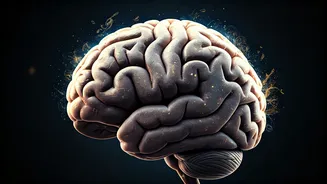
Scientists propose several compelling reasons behind the observed link between arts engagement and a slower aging process. Creative endeavors are widely recognized for their ability to significantly reduce stress, invigorate the brain, and enhance emotional well-being, while also fostering valuable social connections. Since chronic stress and feelings of loneliness are strongly implicated in inflammation and the onset of age-related diseases, mitigating these factors through art can profoundly benefit biological aging. Additionally, artistic engagement is thought to bolster healthy brain function by stimulating cognitive processes and emotional processing. Some experts suggest that activities like listening to music, painting, and reading may boost dopamine levels, which in turn supports the growth of nerve cells. These physiological effects could play a crucial role in preserving memory, maintaining concentration, and enhancing emotional resilience as individuals age.
Older Adults See Greater Gains
One of the most compelling findings from the study was the amplified benefit observed among adults aged 40 and above. This demographic, in particular, appeared to derive the most significant advantages from their involvement in arts and cultural activities. Middle-aged and older participants who regularly immersed themselves in cultural pursuits demonstrated a measurably slower rate of biological aging when compared to their peers who rarely participated. Crucially, the researchers meticulously adjusted their findings to account for a comprehensive range of other health and lifestyle variables. These adjustments included factors such as smoking habits, Body Mass Index (BMI), income levels, educational background, and exercise routines. Even after controlling for these influences, the correlation between arts participation and slower aging remained statistically significant. This strongly suggests that the observed benefits are not merely a consequence of healthier or wealthier individuals being more inclined to visit museums or attend concerts.
Arts as Health Promotion
Professor Daisy Fancourt, the lead author of the study, highlighted the significant implication of these findings, suggesting that arts and cultural engagement should be formally recognized as a health-promoting behavior, akin to the established importance of physical exercise. The researchers emphasized that while the arts are not intended to replace physical activity, they can serve as a valuable complementary component within a balanced lifestyle, working in conjunction with exercise and healthy eating. This research has been enthusiastically received by health organizations and leaders in the arts community. Advocates argue that ensuring accessible and affordable entry to cultural spaces like museums, galleries, libraries, and theaters, along with creative programs, should be treated as a critical public health imperative. Moreover, the findings lend further support to the concept of 'social prescribing,' a practice where healthcare professionals recommend community-based and creative activities to improve patients' overall well-being and mental health.