






The Alarming Andes Strain
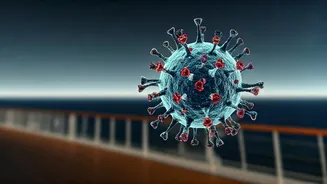
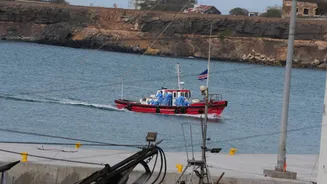
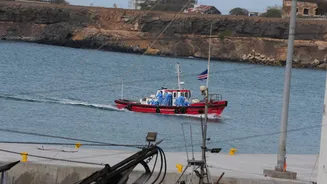
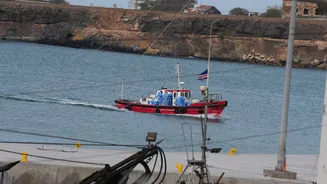
A recent event involving the MV Hondius cruise ship brought to light a particularly concerning strain of hantavirus, identified as the Andes strain. This
discovery sent ripples of international alarm due to the strain's rare ability to transmit directly between humans, a characteristic not shared by most hantaviruses. While hantaviruses are generally transmitted through contact with infected rodent excretions, the Andes strain presents a significantly higher risk of person-to-person spread. This particular strain is endemic to parts of South America, and unfortunately, has a remarkably high fatality rate, with nearly 40 percent of infected individuals succumbing to the illness. Understanding the unique transmission dynamics and severity of the Andes strain is crucial in assessing the potential for outbreaks and implementing effective containment measures. The limited number of documented human-to-human transmission cases historically, estimated to be fewer than 300, underscores its rarity but also highlights its potential for rapid impact when it does occur.
Deadly Transmission Dynamics
The heightened deadliness of the Andes hantavirus strain is primarily attributed to its capability for human-to-human transmission, distinguishing it starkly from other hantaviruses. Typically, hantaviruses lead to what is termed a 'dead-end infection' in humans; an individual becomes infected through exposure to rodent bodily fluids, but cannot then pass the virus to others. However, the Andes strain breaks this pattern, possessing the potential to spread between people, which consequently creates the risk of localized outbreaks. Experts highlight that the window for transmission in Andes virus cases is exceptionally brief, lasting roughly one day, with individuals being most infectious on the very day they develop a fever. Despite this, it's important to note that the spread of the Andes strain among people remains an extremely rare occurrence. High-risk individuals are typically those who have had prolonged, very close contact with an infected person, often involving significant exposure to bodily fluids. This can include intimate partners or individuals sharing living spaces. The Andes strain can lead to hantavirus pulmonary syndrome, which initially manifests with flu-like symptoms but can quickly escalate to severe respiratory distress and breathing difficulties. While all hantavirus strains can be severe, the Andes strain is considered the most lethal, with a staggering 40% fatality rate, considerably higher than the 25% rate of the Sin Nombre strain common in the southwestern US. Currently, there are no vaccines or specific antiviral treatments available for any hantavirus strains, including the Andes strain.
Cruise Ship Outbreak Origins
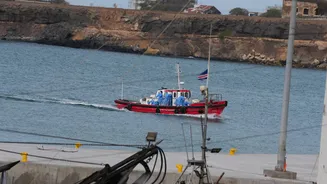
The emergence of the hantavirus on the MV Hondius has prompted investigations into its origin. Argentine officials theorize that the source was a Dutch couple who had contracted the virus, likely during a bird-watching expedition in Ushuaia in mid-March, before boarding the ship on March 20 for a 35-day journey. The man first exhibited symptoms on April 6, including fever, headache, abdominal pain, and diarrhea, rapidly progressing to acute respiratory distress, leading to his death on April 11. His body remained on board for two weeks, during which his wife became ill. She later flew with her husband's body to South Africa on April 25, where she passed away in a Johannesburg hospital. However, this theory faces a challenge as the Tierra del Fuego region, where Ushuaia is located, has no prior recorded cases of hantavirus. Alternative perspectives suggest that Argentina has experienced a recent surge in hantavirus cases, potentially linked to climate change making the region more tropical. This environmental shift, according to some specialists, facilitates the proliferation of rodents due to new tropical plants producing seeds, thereby increasing the prevalence of hantavirus. The WHO has noted Argentina as having the highest incidence of this rodent-borne disease in Latin America, indicating a growing concern for its spread.
Pandemic Parallels Debated
Following the confirmed hantavirus cases on the MV Hondius, which involved eight individuals out of 150 passengers and crew, with three cases lab-confirmed, some panic arose, drawing comparisons to the COVID-19 pandemic. However, health organizations like the World Health Organization (WHO) have strongly cautioned against such comparisons, emphasizing that hantavirus outbreaks are not indicative of another global health crisis like COVID-19. Maria Van Kerkhove, the WHO's top epidemic expert, stated that while hantavirus is a serious infectious disease, the vast majority of people will never be exposed to it. WHO chief Tedros Adhanom Ghebreyesus also downplayed the global risk, asserting that the likelihood of the outbreak spreading to the rest of the world is low. When questioned about similarities to the early stages of the COVID-19 emergency, he expressed his disagreement. Immunologists and hantavirus researchers, such as Steven Bradfute from the University of New Mexico Health Sciences Center, concur with this assessment. They explain that hantavirus transmission is relatively inefficient, meaning that even though the viruses themselves are dangerous, they do not spread widely.