






What is Sindoor Plant?
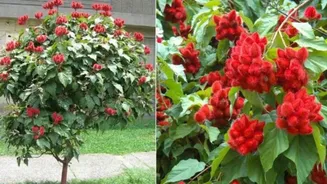
The Sindoor plant, scientifically known as Bixa Orellana, is a captivating tropical shrub deeply rooted in South American origins and now flourishing across
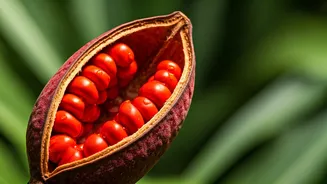
warmer climes, including India. It earns its name from the intense, rich red pigment derived from its seeds, which closely mirrors the traditional sindoor powder used in many Indian cultural ceremonies. This natural colouring agent is highly prized, offering a vibrant alternative to synthetic dyes for various applications. Beyond its visual appeal and cultural significance, the plant is recognized for its ornamental value, featuring attractive spiky fruit capsules and bright seeds that add a of colour to any landscape. Its low maintenance requirements also make it an increasingly popular choice for home gardeners seeking both beauty and practical benefits from their green spaces.
Key Benefits Unveiled
The allure of the Sindoor plant extends far beyond its striking appearance. Primarily, it serves as an exceptional source for natural colourants. The seeds yield a vivid yellow-orange to red dye that finds widespread use in the food industry and cosmetic preparations, providing a plant-based alternative to artificial colours. Traditionally, its leaves and roots have been utilized in herbal practices to alleviate mild fevers, soothe skin irritations, and aid digestive issues, owing to its noted antioxidant properties. Furthermore, the natural powder derived from its seeds is considered a safer option than synthetic sindoor, which can sometimes cause discomfort. Culturally, it holds immense significance in India, and according to Vastu Shastra, planting it in the north or east direction is believed to invite positive energy and prosperity into the home. Its aesthetic appeal, with textured pods and bright seeds, makes it a beautiful addition to gardens, requiring only modest upkeep once established.
Growing Sindoor at Home
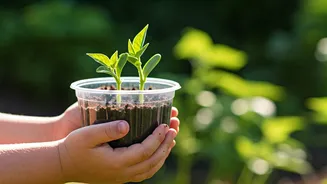
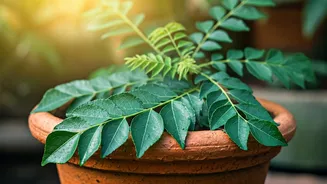
Cultivating your own Sindoor plant at home is a rewarding endeavor, particularly in India's tropical climate where it thrives exceptionally well. It's versatile enough to flourish in open gardens or adapt to large containers, making it suitable for terraces and balconies. The plant requires about four to five hours of direct sunlight daily to ensure healthy growth and optimal pod development. For soil, opt for a well-draining mix enriched with organic compost to foster robust root formation. Watering should be moderate; the key is to maintain soil moisture without allowing it to become waterlogged, as overwatering can be detrimental. Propagation can be achieved through either seeds, which typically germinate within 10 to 15 days under warm conditions, or stem cuttings. With these fundamental care practices, your Sindoor plant can become a beautiful and functional addition to your home, offering sustainability and ornamental charm.
Essential Care Practices
To ensure your Sindoor plant flourishes and yields its vibrant pigment, attentive care is crucial. Prioritize placement in a location that consistently receives full sunlight for at least six hours a day; this is paramount for achieving the best red coloration in its leaves and for promoting abundant seed pod production. The plant prefers well-draining soil, so a blend of potting soil, compost, and sand is ideal, preventing waterlogged conditions that can lead to root rot. Regular watering is necessary, keeping the soil consistently moist but never saturated. During warmer periods, more frequent watering might be needed, while it can be reduced in cooler months. For optimal health, feed the plant with a balanced liquid fertilizer every four to six weeks during its active growing season in spring and summer, avoiding over-fertilization. Regular pruning, by pinching back stem tips, encourages bushier growth and helps maintain a desirable shape, while promptly removing any yellow or dead foliage keeps the plant healthy and visually appealing.
Propagation and Pest Management
Propagating the Sindoor plant at home is a straightforward process, primarily achieved through stem cuttings. Select 4-6 inch cuttings from healthy stems, meticulously remove the lower leaves, and then plant them into moist potting mix. It's vital to maintain a warm and humid environment around these cuttings until they successfully develop roots. While the Sindoor plant is generally resilient against pests, occasional issues like spider mites or mealybugs can arise. These can be effectively managed using insecticidal soap or neem oil, natural remedies that are gentle yet effective. Ensuring good air circulation around the plant is also a key preventative measure against fungal diseases. By addressing any pest infestations promptly and maintaining optimal growing conditions, you can ensure your Sindoor plant remains vigorous and healthy, ready to offer its beautiful colours and benefits.