


Vitamin Powerhouses Compared
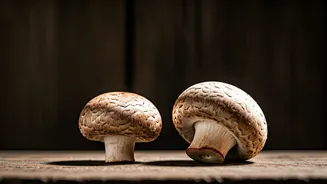
Button and oyster mushrooms, though both packed with vitamins, show distinct profiles. Button mushrooms are noted for their vitamin D content, especially
when exposed to UV light. Vitamin D is essential for bone health and immune function. Oyster mushrooms, on the other hand, are a good source of B vitamins, crucial for energy production and nerve function. The specific B vitamins and their quantities can vary slightly based on growing conditions and the variety of oyster mushroom. In summary, the choice may depend on the specific vitamins you prioritize in your diet. Both mushrooms provide valuable nutrients, but the emphasis shifts. Button mushrooms can be boosted with more Vitamin D, while oyster mushrooms bring a robust B vitamin profile. Both options represent smart choices for a varied diet, delivering essential nutrients in different ways.
Mineral Content Showdown
Examining mineral richness reveals another layer of nutritional difference between button and oyster mushrooms. Both mushrooms offer essential minerals, but again, the proportions differ. Button mushrooms generally provide selenium, a powerful antioxidant that helps protect cells from damage. They also contain copper, which helps in iron absorption and the formation of red blood cells. Oyster mushrooms often have a higher concentration of potassium, vital for maintaining healthy blood pressure and muscle function. They also contribute significant amounts of phosphorus, critical for bone and teeth health. The exact amounts vary based on the growing environment. Both contribute to the daily mineral intake, playing a beneficial role in overall health. The best choice is influenced by individual dietary needs. These mushrooms add diverse minerals to your diet, contributing essential nutrients in various ways.
Caloric Value Variations
When considering caloric value, button and oyster mushrooms are both excellent choices for a calorie-conscious diet. Both are naturally low in calories, making them excellent options for anyone watching their weight or aiming to maintain a healthy body composition. While the exact caloric values can fluctuate depending on factors such as preparation and cooking method, the differences between the two varieties are minimal. This means that both mushrooms can be consumed generously without adding significant calories to the daily intake. Their high water content and fiber contribute to a feeling of fullness, which is a great asset in weight management. Both mushrooms are smart choices for individuals who wish to keep their caloric intake in check. Including them is an effective strategy for weight management. Eating them is a delightful way to keep your meal plans balanced.
Protein Content Analysis
The protein content in button and oyster mushrooms is a significant aspect to compare, especially for those interested in plant-based protein sources. Both mushrooms contain protein, though the exact amount can vary. The protein content is a good addition to a balanced diet, contributing to muscle repair and maintenance. Oyster mushrooms tend to have slightly higher protein content compared to button mushrooms, which makes them a favorable choice for individuals looking to increase their protein intake. The protein provided by mushrooms is generally of high quality, containing essential amino acids that the body needs. Although neither mushroom is a complete protein source, their protein complements the protein present in other foods. They are valuable additions to vegetarian and vegan diets. Both kinds of mushrooms offer a solid nutritional foundation, fitting well with various dietary needs.