




Embrace Natural Materials
The soul of African design lies in its connection to the earth, and this is beautifully translated through the use of natural materials. For a minimalist
approach, think about incorporating elements like untreated wood, raw clay, and unpolished stone. These substances bring an organic texture and warmth to your surroundings without demanding visual attention. Imagine a simple, handcrafted wooden side table or a set of unglazed terracotta pots as subtle yet impactful statements. These pieces resonate with authenticity and grounding, forming a foundational element for a tranquil, nature-inspired interior that speaks volumes through its inherent beauty and simplicity.
Neutral Color Foundation
To achieve a truly minimalist feel, a base of neutral colors is indispensable. Think of soft beiges, calming whites, and grounding grays as your canvas. These understated hues allow the subtle nuances of African art and textiles to shine without overwhelming the senses. Walls painted in these neutral tones or large furniture pieces in similar shades create a serene backdrop. This approach provides a sophisticated stage for carefully selected African accents, ensuring they stand out as points of interest rather than contributing to visual clutter. It's about creating harmony where the cultural elements are celebrated amidst a peaceful, uncluttered environment.
Functional Artistry
African artistry often seamlessly merges beauty with utility, a perfect principle for minimalist living. Instead of purely decorative items, opt for pieces that serve a practical purpose. Consider hand-woven storage baskets that not only keep your space tidy but also showcase intricate craftsmanship, or carved wooden serving bowls that add character to your dining experience. These items are more than just objects; they are vessels of culture and history that enhance the functionality of your home while imbuing it with personality and a sense of place. They prove that impactful decor can be both beautiful and purposeful.
Cultivate Openness
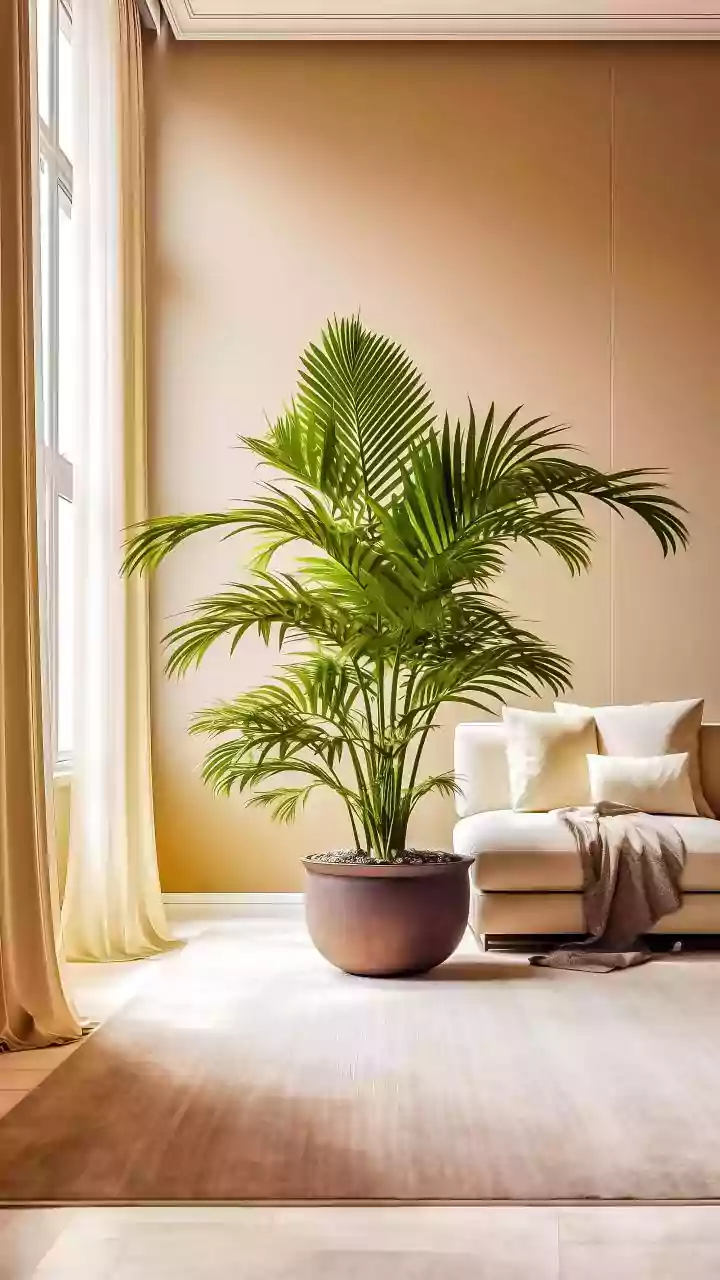
Minimalist design thrives on the presence of open, uncluttered spaces. Ensuring ample breathing room between furniture and decorative items is crucial for a sense of calm and flow. This deliberate emptiness allows the eye to rest and appreciate the carefully chosen African elements without feeling bombarded. Think of how much more impactful a single, striking tribal mask becomes when it's not competing for attention amidst a sea of objects. By prioritizing clear pathways and generous void, you create an environment that feels airy, organized, and serene, allowing the cultural artistry to be the focal point.
Strategic Pattern Use
While African decor is renowned for its bold patterns, their integration into a minimalist scheme requires thoughtful consideration. The key is selective placement. Instead of scattering multiple patterned items, choose one or two pieces that either echo or subtly contrast with your existing decor. This could be a single Kilim rug, a cushion with a striking geometric print, or a throw with an iconic motif. By limiting the visual noise, these patterned elements become deliberate accents that add depth and cultural flair without disrupting the overall sense of calm and order. It's about making a statement with intention and impact.