





Foundation of Knee Strength
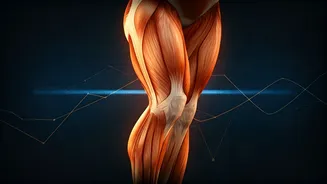
Knee stability is absolutely crucial for seamless movement and preventing common injuries. When considering exercises that bolster this stability, two
popular contenders often emerge: wall sits and Tai Chi. While both contribute to improved knee health, they do so through distinct pathways. Wall sits primarily engage and fortify the muscles directly supporting the knee joint, focusing on static strength. In contrast, Tai Chi adopts a more holistic approach, emphasizing fluidity, range of motion, and proprioception. This article will dissect the unique contributions of each exercise to knee stability, helping you understand their individual strengths and how they might complement your fitness regimen.
Building Muscle Power
Wall sits are a cornerstone of isometric strengthening, a type of exercise where muscles are tensed without any joint movement. This technique is particularly effective for building endurance and support around the knee. By adopting a seated posture against a wall, you meticulously engage your quadriceps, hamstrings, and glutes, holding this tension for sustained periods. This consistent muscular engagement not only builds strength but also significantly enhances the knee's ability to remain stable during everyday activities and more dynamic physical pursuits. Consistent practice with wall sits can translate directly into improved confidence and reduced risk of instability-related injuries during activities like walking, running, or even simply standing up.
Flowing Towards Flexibility
Tai Chi, a venerable practice rooted in Chinese martial arts, offers a profoundly different yet complementary path to enhanced knee well-being. This discipline is characterized by its deliberate, flowing movements, synchronized with mindful breathing techniques. Through these gentle yet persistent motions, Tai Chi promotes an expanded range of motion throughout the joints, including the knees. The graceful transitions between postures help to systematically reduce joint stiffness and gradually increase overall mobility. By engaging in regular Tai Chi practice, individuals can foster better joint health, leading to a more supple and resilient knee structure that is less prone to aches and pains and better equipped for everyday demands.
Mastering Your Balance
Beyond its flexibility benefits, Tai Chi is renowned for its profound impact on improving balance, a critical component for robust knee stability. The intricate sequences of Tai Chi movements involve deliberate weight shifts from one foot to the other, continuously challenging and refining your sense of equilibrium. This enhanced balance directly translates into a reduced likelihood of stumbling, missteps, or falls, all of which can place undue stress on the knee joints and potentially lead to injury. By honing your balance through Tai Chi, you create a more stable foundation, decreasing the risk of sudden, jarring movements that could compromise knee integrity.
The Isometric Advantage
The isometric nature of wall sits presents a distinct advantage, particularly for individuals navigating recovery from injuries or managing limited mobility. Because this exercise involves muscle contraction without joint articulation, it allows for targeted strengthening of the musculature surrounding the knee without imposing excessive stress on the joint itself. This makes wall sits an exceptionally effective tool for those aiming to build isolated strength in the leg muscles that support the knee. It provides a controlled method to enhance muscle capacity and prepare the joint for more demanding movements, all while minimizing the risk of exacerbating existing conditions.
Your Personal Path
Ultimately, the choice between wall sits and Tai Chi for improving knee stability hinges on your individual health objectives and personal preferences. If your primary goal is straightforward muscle strengthening and you prefer an exercise requiring minimal equipment and space, wall sits present an excellent and accessible option. Conversely, if you are drawn to a more comprehensive approach that integrates flexibility, balance enhancement, and mindfulness, Tai Chi might be the more fitting choice for your routine. Both exercises offer valuable benefits, and understanding their distinct contributions can help you make an informed decision that best supports your journey towards healthier, more stable knees.