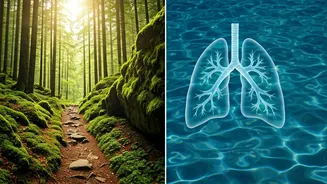







Hiking's Respiratory Boost
Embarking on a hike is a fantastic way to invigorate your lungs. This aerobic activity naturally elevates your heart rate and breathing rhythm, demanding
more oxygen from your body. Over time, this consistent effort strengthens the muscles responsible for respiration, leading to enhanced lung capacity. The varied landscapes encountered during a hike, from gentle inclines to steeper climbs, provide a natural form of interval training. This type of varied intensity significantly contributes to better cardiovascular fitness and can make you less breathless during everyday activities. Scientific research suggests that engaging in regular hiking can notably improve how efficiently your lungs function, promoting better airflow and reducing the sensation of breathlessness.
Swimming for Lungs
Diving into a swimming session offers a unique set of benefits for your respiratory system. As a low-impact exercise that engages nearly every muscle group, swimming encourages a deeper and more controlled pattern of breathing. The inherent resistance of water compels your lungs to work harder to draw in sufficient oxygen, which, over sustained periods, can lead to an increase in lung volume. Furthermore, the controlled aquatic environment, especially in swimming pools, presents an advantage for individuals managing conditions like asthma. It allows for physical exertion without the typical triggers that might exacerbate respiratory symptoms, making it a more accessible and comfortable option for many.
Calorie Burn Comparison
When evaluating exercises for their impact on lung health, considering calorie expenditure is often a key factor. Hiking typically leads to a higher calorie burn compared to swimming. This difference is attributed to its weight-bearing nature and the fluctuating intensity levels dictated by the terrain. For an individual weighing approximately 70 kg, a moderately paced hike can torch between 430 to 480 calories within an hour. In contrast, swimming laps at a moderate intensity generally burns around 400 calories during the same timeframe. This distinction highlights how hiking, with its inherent physical demands, can offer a more significant metabolic advantage.
Choosing Your Path
The decision between hiking and swimming for enhancing lung health ultimately hinges on individual preferences, the availability of facilities, and personal fitness objectives. If you find joy in outdoor adventures and have convenient access to natural trails, hiking might be your preferred choice. Conversely, if you lean towards indoor workouts or are fortunate enough to live near bodies of water, swimming could be a more suitable option. Both activities, when pursued consistently, offer distinct advantages that contribute positively to respiratory function and overall well-being. The best exercise for you is the one you'll stick with.