



Variety Selection Made Easy
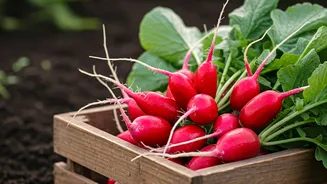
Embarking on your radish-growing adventure begins with choosing the right type for your taste and garden. Varieties like the classic Cherry Belle offer
a pleasingly round shape and a mild, approachable flavor. For those who appreciate a slightly more assertive taste and a distinct look, the French Breakfast radish, with its elongated form and a hint of peppery zest, is an excellent option. Carefully considering your personal preference for flavor and texture will set the stage for a truly satisfying harvest, ensuring the radishes you grow are exactly what you envision for your kitchen.
Soil Preparation Essentials
The foundation of successful radish cultivation lies in preparing the soil adequately. These speedy growers thrive in a loose, well-draining medium enriched with organic goodness. Aim to cultivate the soil to a depth of approximately 12 inches, creating ample space for root development without obstruction. Incorporating compost or thoroughly decomposed manure will significantly boost the soil's fertility, providing essential nutrients. An ideal soil pH for radishes hovers between six and seven, promoting optimal nutrient uptake. Crucially, ensure your chosen planting spot offers excellent drainage, as waterlogged conditions can quickly lead to rot and other problems for your emerging radishes.
Planting Your Radish Seeds
Radishes are best sown directly into the ground, as they generally do not take well to being transplanted once their roots have begun to form. Your prepared garden bed should receive seeds planted about half an inch deep. Give each seed adequate room to grow by spacing them roughly three inches apart. For organizational ease and to ensure each plant has sufficient resources, create rows that are about 12 inches apart. This spacing strategy prevents overcrowding, allowing each radish to develop its full potential without competing intensely for vital sunlight, water, and nutrients.
Watering and Ongoing Care
Maintaining consistent soil moisture is paramount for cultivating plump, tender radishes. Aim for soil that is kept evenly damp, avoiding the extremes of being either too dry or waterlogged. Depending on your local climate and the prevailing weather patterns, watering once or twice weekly should suffice, making sure the moisture penetrates deeply into the soil rather than just saturating the surface. While tending to your radishes, keep a vigilant eye out for common garden pests such as aphids or leaf miners. Early detection and prompt removal of these unwelcome visitors are key to preventing significant damage to your plants and ensuring a healthy yield.
Harvesting at Peak Freshness
Radishes are remarkably quick to mature, often ready for harvest in as little as three weeks from the time of sowing, though this can vary slightly based on the specific variety you've chosen. To gauge readiness, gently unearth a single radish from its row. If its size is satisfactory and it appears plump and appealing, it's a good indicator that others are also ready. If the test radish isn't quite there yet, simply replant it or leave it be and check again in a few days. This simple method ensures you harvest your radishes at the optimal moment for the best flavor and crispness.