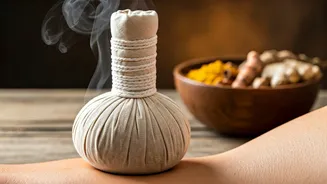









Winter's Impact on Muscles
The onset of winter frequently leads to an upsurge in instances of muscle discomfort. There's a noticeable increase in muscle stiffness and pain as temperatures
decrease. This phenomenon occurs because the cold constricts blood vessels, thus diminishing the circulation to muscles. Reduced blood flow means less oxygen and fewer nutrients reaching the muscles, which can cause pain. Furthermore, the body tends to contract muscles to generate heat and conserve energy during cold periods, thereby amplifying the likelihood of cramps and soreness. Reduced physical activity during winter, due to the colder weather, can also contribute to the weakening of muscles, making them more prone to pain. Additionally, fluctuating weather conditions, especially the sudden shifts between cold and warmer temperatures, can place additional strain on the muscles, leading to aches and discomfort.
Ayurvedic Principles Explained
Ayurveda, the traditional Indian system of medicine, offers a distinct view on managing winter-related muscle discomfort. Central to Ayurvedic philosophy is the concept of balancing the three doshas: Vata, Pitta, and Kapha. Winter is seen as a Vata-aggravating season because of its dryness and coldness. Vata imbalances are known to manifest as stiffness and pain in the body. According to Ayurvedic principles, maintaining the balance of Vata is critical for preventing muscle pain during the winter months. Ayurveda also stresses the significance of 'Agni,' or digestive fire, which may be weakened in winter due to the body focusing its energy on keeping warm. Weakened Agni can lead to accumulation of 'Ama' or toxins, which is another factor that can lead to muscle pain and stiffness. The Ayurvedic approach prioritizes a holistic lifestyle that considers diet, exercise, and mental well-being to achieve overall health and balance.
Dietary Adjustments for Relief
Dietary adjustments are a key element in managing muscle pain, according to Ayurveda. Focusing on food that balances Vata is essential. This often involves choosing warming foods and avoiding dry, cold, or processed ones. Incorporating nourishing foods, such as root vegetables (carrots, sweet potatoes), cooked grains (rice, oats), and healthy fats (ghee, olive oil), can provide the body with essential nutrients and keep it warm. Drinking warm liquids, like herbal teas infused with ginger or cinnamon, can also help to soothe Vata and calm muscle pain. Additionally, reducing the intake of foods that might aggravate Vata, like raw salads, cold drinks, and overly processed foods, is vital. Aiming for a diet rich in fresh, cooked meals and spices like turmeric and ginger, known for their anti-inflammatory effects, can actively aid in reducing muscle pain and promoting overall well-being. These spices are believed to have a warming quality which assists the body in maintaining internal temperature and reducing stiffness.
Effective Lifestyle Practices
Besides dietary adjustments, lifestyle changes are equally essential in managing winter muscle pain. Regular exercise, particularly activities that gently warm the body, such as yoga, tai chi, or walking, is advised. These practices can improve blood circulation and prevent the muscles from becoming stiff. Staying warm and avoiding direct exposure to the cold is also important. Dressing in layers, wearing warm clothing, and minimizing the time spent outdoors in extreme cold conditions can assist in preserving body heat and limiting muscle contraction. Regular oil massages with warm sesame oil, a cornerstone of Ayurvedic practices, can be especially beneficial, as the oil's warming qualities help pacify Vata and soothe tense muscles. Moreover, getting adequate rest and reducing stress are crucial. Adequate sleep allows the body to restore and repair itself, while stress management techniques, such as meditation and deep breathing, can help to relieve tension and prevent muscle pain.
Ayurvedic Remedies & Herbs
Ayurveda offers various herbal remedies designed to relieve muscle pain. Commonly recommended herbs include ginger, turmeric, ashwagandha, and Boswellia (frankincense). Ginger and turmeric, thanks to their potent anti-inflammatory properties, can be consumed in teas or used in cooking. Ashwagandha, an adaptogenic herb, can help the body adapt to stress and relieve muscle tension. Boswellia is well-known for its ability to lessen inflammation and may be taken as a supplement. Applying herbal oils, such as Mahanarayan oil or sesame oil infused with herbs like garlic and dashmoola, can be used for local massage. These oils are thought to penetrate deep into tissues, providing relief from pain and inflammation. Additionally, taking herbal supplements prescribed by an Ayurvedic practitioner can offer targeted support for managing muscle pain, helping to harmonize the body and promote holistic healing. Consulting a practitioner ensures an individualized approach and the safe use of herbal remedies.