






Enhanced Nutrient Access
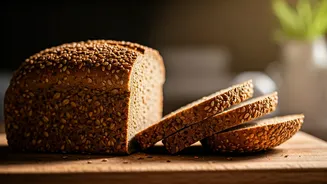
Sprouted bread stands out due to its remarkable ability to make nutrients more accessible to your body. The sprouting process actively reduces antinutrients,
which are compounds naturally found in grains that can hinder the absorption of vital vitamins and minerals. By breaking down these inhibitors, sprouting significantly boosts the bioavailability of elements like iron, zinc, and magnesium. This means your system can more efficiently utilize these essential micronutrients, leading to better overall health and vitality compared to consuming unsprouted grains. Think of it as unlocking a hidden treasure trove of nutrition within the grain, making every bite work harder for you.
Digestive Friendliness
Your gut will thank you for choosing sprouted bread. The gentle fermentation that happens during the sprouting journey transforms the fiber within the grains, making it more soluble. This increased solubility aids your digestive system, potentially alleviating common discomforts such as bloating and constipation. Furthermore, sprouted bread typically boasts a lower glycemic index than its regular counterparts. This characteristic is beneficial because it prevents rapid spikes in blood sugar levels after consumption, offering a more stable energy release throughout your day and contributing to better metabolic health.
Protein Power Boost
For those seeking to increase their protein intake, especially vegetarians and vegans, sprouted bread offers a significant advantage. The germination process effectively elevates the protein content found in the grains. This isn't just about quantity; the sprouting also enriches the amino acid profile, making the protein more complete and beneficial. This amplified protein source is crucial for muscle repair and growth, making it an excellent dietary addition for anyone actively engaged in fitness or simply aiming to maintain lean muscle mass. It’s a simple way to boost your protein intake with a staple food.
Gluten Considerations
Individuals with mild gluten sensitivities, who are not diagnosed with celiac disease, may find sprouted bread to be a more palatable option. The magic of the sprouting process involves partially breaking down the gluten proteins present in the grains. This breakdown can make the bread easier for some people to digest, reducing the likelihood of experiencing discomfort associated with gluten. While it is not a gluten-free product, it represents a gentler alternative for those who find traditional bread challenging to tolerate due to mild sensitivities, offering a way to enjoy bread without the usual repercussions.