





The Calorie Confusion
A prevalent misunderstanding is that eliminating fat from food automatically slashes calorie content, a notion that often proves inaccurate. Many products
marketed as "fat-free" compensate for the absence of fat, which contributes significantly to texture and flavour, by adding substantial amounts of sugar. This sugar addition can inadvertently elevate the calorie count, sometimes matching or even exceeding that of their full-fat counterparts. For instance, a fat-free yogurt might contain a sugar profile comparable to its regular version, thereby negating any perceived calorie advantage. Therefore, simply choosing a product labeled "fat-free" without scrutinizing its other ingredients can lead to a higher overall calorie intake than one might anticipate, undermining weight management goals.
Hidden Sugars Lurking
The appeal of fat-free foods is frequently enhanced through the inclusion of hidden sugars, a tactic employed to bolster palatability when fat is removed. These concealed sugars can accumulate rapidly, contributing significantly to the product's total calorie count. When consumed frequently or in large quantities, this added sugar can actually contribute to weight gain rather than prevent it. A prime illustration of this is found in fat-free salad dressings; a single serving of some varieties can contain more than five grams of sugar, which is roughly equivalent to a teaspoon. This highlights the critical need to examine ingredient lists, as the "fat-free" label can sometimes mask a less healthy sugar content.
Nutrient Trade-offs
Opting exclusively for fat-free food items can also mean sacrificing essential nutrients, particularly those bound to healthy fats. Fats play a crucial role in the body's ability to absorb fat-soluble vitamins: A, D, E, and K. These vitamins are indispensable for a multitude of bodily functions, including vision, bone health, immune system support, and blood clotting. By completely excluding fats from the diet, individuals risk developing nutritional deficiencies over time, which can have broader implications for overall well-being. A balanced dietary approach that includes healthy fats is therefore vital for ensuring the body receives all necessary nutrients for optimal functioning.
Decoding Food Labels
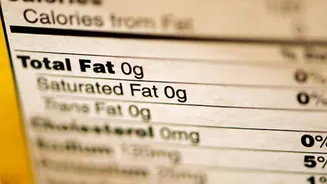
To navigate the complex world of food labeling and make truly informed dietary choices, meticulous attention to product labels is paramount. Consumers should actively seek out and identify added sugars, as well as any other ingredients that might inflate the calorie density of "fat-free" products. It is highly beneficial to compare different brands and products within the same category before making a purchase. Developing a thorough understanding of what ingredients are present in your food is the most effective strategy for avoiding unexpected calorie loads and consistently selecting options that genuinely support a healthier lifestyle, rather than falling prey to misleading marketing.