






The Papaya Hype
A recent surge in interest has placed papaya under the health spotlight, particularly following suggestions from Ayurveda experts that daily consumption
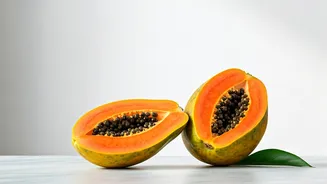
might help manage cholesterol. This has led many to believe that this tropical fruit could be a simple, natural solution to rising lipid levels. The idea of achieving lower cholesterol without resorting to medications or complex dietary changes is certainly appealing, promising a more accessible path to better heart health for a wide audience. However, the crucial question remains: does scientific evidence substantiate these popular claims, or is it an oversimplification of a complex health issue? This article aims to dissect these assertions by examining the nutritional profile of papaya and its scientifically recognized impact on cardiovascular well-being, moving beyond anecdotal evidence to present a clear, factual understanding.
Expert Insights on Papaya
Registered dietitian Ginni Kalra offers a clarifying perspective on the viral claim. She explains that while papaya is indeed a valuable source of fiber and antioxidants, which can indeed contribute positively to reducing LDL, or 'bad' cholesterol, it is inaccurate to position it as a standalone cure. Kalra emphasizes that effective cholesterol management is a holistic process, intrinsically linked to one's entire dietary intake and overall lifestyle choices. She points out that other foods like apples, guava, pears, oats, leafy greens, carrots, bottle gourd, beans, nuts, and seeds also play significant roles. Furthermore, she stresses the importance of regular physical activity and maintaining a healthy weight. For individuals with significantly elevated cholesterol or a higher susceptibility to heart disease, relying solely on fruits is ill-advised; medical supervision and, potentially, prescribed medications are often necessary components of their treatment plan, underscoring that papaya's role is supportive rather than definitive.
Why the Fascination?
Papaya has historically been revered in Indian households, primarily for its digestive benefits, often recommended for issues like constipation, acidity, and general gut health. The recent shift in focus towards its potential heart health benefits stems from the escalating prevalence of cholesterol-related issues, particularly within modern, urban lifestyles characterized by sedentary work, consumption of processed foods, and increased stress levels. In this context, the allure of straightforward dietary remedies is understandable. Papaya's nutritional composition, including its fiber content, vitamin C, and antioxidants, is well-documented to support cardiovascular health. This has fueled the perception that it might be a key player in cholesterol control, even though the scientific consensus suggests a more nuanced role. The fruit's familiarity and its established reputation for aiding digestion likely contribute to its widespread acceptance as a health-promoting food.
The Fiber Factor
Dietary fiber is a cornerstone of effective cholesterol management, and papaya offers a good amount of it. Soluble fiber, in particular, has a remarkable ability to bind with cholesterol particles within the digestive tract. This binding action effectively prevents cholesterol from being absorbed into the bloodstream and facilitates its removal from the body. By incorporating fiber-rich foods like papaya into your diet, you are essentially enhancing your body's natural processes for clearing out unhealthy fats and improving overall digestive function. This mechanism explains why many nutritionists advocate for the regular inclusion of fruits in meals. However, it is critical to understand that the impact of fiber is a gradual, supportive one; it aids in maintaining healthy levels over time and reducing absorption, but it does not act as a rapid or sole curative agent for existing high cholesterol.
Antioxidants for Protection
Beyond its fiber content, papaya is a commendable source of vitamin C and various antioxidants. These potent compounds are instrumental in combating inflammation and mitigating oxidative stress, two significant factors that contribute to the development of atherosclerosis—the buildup of plaque within the arteries. By reducing these harmful processes, antioxidants help maintain the health and elasticity of blood vessels, making it more challenging for cholesterol to adhere to artery walls. This protective effect can contribute to a lower long-term risk of heart disease. Nevertheless, it's important to view antioxidants as preventative guardians rather than definitive rectifiers; they work diligently to shield the body from damage and support overall cardiovascular function, but they are not designed to dramatically reverse established high cholesterol levels on their own.
A Balanced Approach
In conclusion, while papaya offers genuine health benefits and can be a valuable addition to a heart-healthy diet, it is not a miraculous cure for high cholesterol. The development of cholesterol issues is typically a complex interplay of long-term lifestyle patterns, encompassing diet quality, physical inactivity, smoking, inadequate sleep, and chronic stress. Integrating a moderate portion of papaya into your daily meals can certainly support cardiovascular health. However, its effectiveness is maximized when it is part of a comprehensive strategy that includes consuming a wider variety of fiber-rich foods, minimizing the intake of fried and processed items, engaging in regular physical activity, and seeking medical intervention when necessary. Individuals with specific health considerations, such as latex allergies, certain medical conditions, or those who are pregnant, should consult with a healthcare professional before increasing their papaya intake, especially of unripe fruit.