





The Gut-Brain Connection
The modern era, while offering conveniences, has unfortunately ushered in an era of escalating digestive and liver ailments among young adults in India.
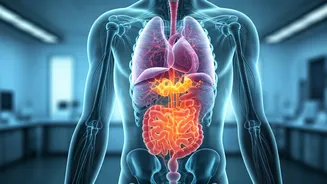
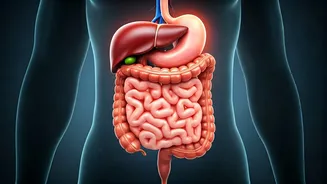
This demographic, often at a crucial juncture in their lives, finds itself increasingly susceptible to gastrointestinal problems. Significant shifts in lifestyle over the past decade have directly contributed to a heightened prevalence of diseases affecting the digestive tract. Strikingly, individuals experiencing these gastroenterological issues frequently report elevated levels of depression, pervasive stress, and anxiety, underscoring a profound connection with central nervous system dysfunction. Many of these conditions fall under the umbrella term 'functional gastrointestinal disorder' (FGID). These disorders are characterized by a range of symptoms such as abdominal discomfort, difficulty in swallowing, indigestion, bouts of diarrhea or constipation, and bloating, yet they often lack identifiable physical abnormalities upon conventional diagnostic examinations. It's important to note that FGIDs are exceptionally common, with nearly half of all individuals potentially meeting the diagnostic criteria, affecting even children, where over 20 distinct FGIDs have been identified.
Lifestyle's Digestive Toll
Several key lifestyle factors are significantly contributing to the increase in gut health disorders among young Indians. The modern diet, often overloaded with fast food, processed snacks, and sugary beverages, disrupts the delicate balance of gut bacteria, leading to dysbiosis. Frequent indulgence in oily and spicy foods can exacerbate issues like heartburn and inflammation. Furthermore, irregular meal schedules disrupt the natural digestive rhythm, fostering indigestion. Compounding these dietary issues is a growingly sedentary lifestyle, driven by prolonged hours spent online for education and work, which negatively impacts intestinal motility. This lack of physical activity is a major contributor to obesity and insulin resistance, conditions directly linked to the rise in liver diseases. Added to this are the pervasive effects of stress and sleep disorders. The pressures of academic and professional life create a potent link between the brain and the gut, with stress frequently manifesting as irritable bowel syndrome. Inadequate sleep, a common ailment, also casts a long shadow over liver function, hindering its restorative processes.
Emerging Liver Concerns
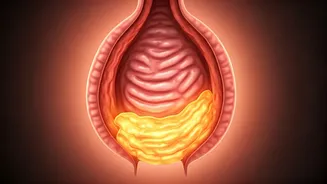
Beyond general digestive distress, young Indians are increasingly facing serious liver conditions. Non-Alcoholic Fatty Liver Disease (NAFLD), once rare in this age group, is now on the rise, strongly correlated with obesity, insulin resistance, and poor dietary choices. This insidious condition often progresses silently from a benign buildup of fat to more severe stages like cirrhosis without early warning signs. Another significant concern is liver injury stemming from alcohol abuse, particularly binge drinking which has become disturbingly common among university students and urban dwellers. Consuming large quantities of alcohol in short periods can trigger alcoholic fatty liver or hepatitis. Persistent excessive drinking accelerates the development of cirrhosis. Moreover, the broader category of metabolic disorders, including obesity, diabetes, and high blood pressure, amplified by lifestyle changes, are becoming more prevalent globally and in India. These conditions not only affect overall health but also contribute significantly to the incidence of NAFLD and cardiovascular issues, creating a cascade of health problems.
Pathways to Recovery
Fortunately, reversing these negative trends and safeguarding gut and liver health is achievable through proactive lifestyle adjustments. Embracing a diet rich in whole grains, fresh fruits, and vegetables, coupled with adequate hydration, forms the foundation for a healthy digestive system. It is crucial to significantly reduce the consumption of refined foods, sugary beverages, and fast food. Regular physical activity is equally vital; aiming for 30-45 minutes of moderate exercise daily can dramatically improve intestinal function and overall health, encouraging a shift away from excessive screen time. Addressing stress and improving sleep patterns are also paramount. Practices like yoga and meditation can foster a stronger brain-gut connection, while ensuring 8 hours of quality sleep each night supports the liver's regenerative capabilities. Furthermore, avoiding risky behaviors such as alcohol consumption, smoking, and excessive use of energy drinks is critical, with a preference for stress-reducing physical activities. Finally, for individuals at higher risk, periodic screenings for potential illnesses, particularly liver-related issues, are strongly recommended to catch any developing problems early.