

The Roasting Revelation
The journey to exquisite, non-sticky upma begins with a crucial first step: dry roasting the semolina, also known as rava or sooji. This process is far
from optional; it’s the cornerstone of achieving that desirable fluffy texture. When you dry roast the rava, you gently toast each grain, which helps to absorb moisture more effectively later in the cooking process and prevents the individual granules from clumping together. Aim for a light golden hue and a pleasant aroma, ensuring you stir continuously to avoid any hint of burning. This preliminary step is paramount, as it preps the semolina to absorb water without turning into a gluey mass, setting the stage for a perfect breakfast where every grain stands distinct and proud.
Flavorful Foundation Building
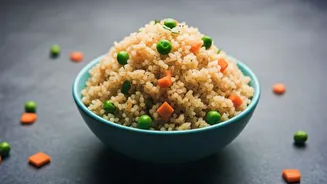
To create a truly satisfying upma, a vibrant base of tempered spices and aromatics is essential. Begin by heating oil or ghee in a pan until it shimmers, then introduce mustard seeds and allow them to splutter, releasing their pungent aroma. Next, add urad dal, chana dal, and cashews (or peanuts), frying them on low heat until the dals turn a beautiful golden brown. This not only adds a delightful crunch but also infuses the upma with a nutty depth. Following this, stir in asafoetida, finely chopped green chilies, ginger, and curry leaves, sautéing until the onions turn translucent. If you're incorporating vegetables like finely chopped carrots or peas, this is the opportune moment to add them and stir-fry briefly, as they will soften beautifully during the steaming phase, enhancing both nutrition and flavor.
The Crucial Cooking Stage
Achieving the perfect consistency hinges on a precise water-to-rava ratio and a specific cooking technique. Once the aromatics are sautéed, pour in 2 to 2½ cups of boiling hot water for every cup of semolina used; the exact amount can be adjusted for firmer (2 cups) or softer (2½ cups) upma. Add salt and a touch of sugar, if desired, to balance the flavors, and bring the water to a rolling boil. It's vital that the water tastes slightly salty, as the rava will absorb much of it. Now, reduce the flame to its lowest setting. With one hand, begin sprinkling the pre-roasted semolina into the boiling water in a steady stream, while simultaneously using the other hand to stir vigorously, akin to whisking a batter. This constant motion is key to preventing lumps from forming. Continue mixing until the water is absorbed and the mixture begins to thicken, which typically takes only 1 to 2 minutes.
Steaming to Perfection
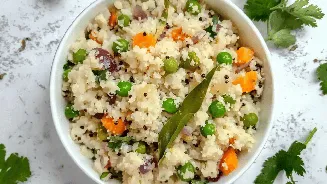
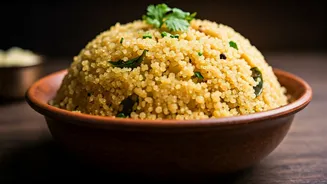
The final stage of cooking upma involves a gentle steaming process that ensures fluffiness and separates the grains. After the semolina has absorbed most of the liquid and the mixture has thickened, immediately cover the pan with a tight-fitting lid. Switch off the heat completely. Allow the upma to steam undisturbed for approximately 3 to 5 minutes. This resting period is magical; it allows the rava to cook through completely and absorb any remaining moisture, resulting in distinct, fluffy grains. Once the steaming time is up, uncover the pan. Drizzle a little fresh lemon juice for a touch of tanginess and a final teaspoon of ghee for added richness and gloss. Gently fluff the upma with a fork and stir in freshly chopped coriander leaves before serving.