






Are All Spices Harmless?
Contrary to popular belief, not all spices are safe to consume in unlimited quantities. While many are natural, some can pose risks when used excessively.
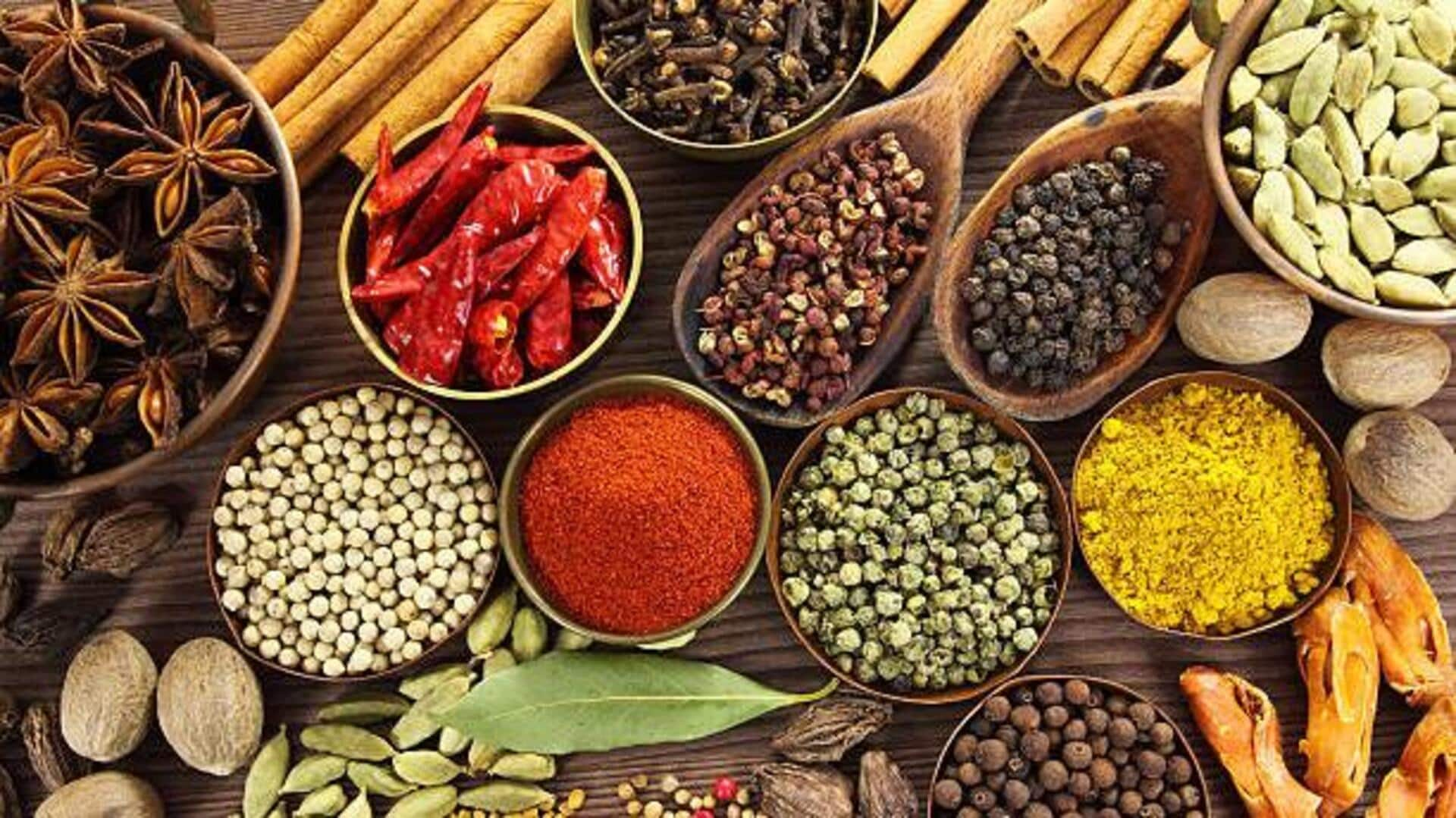
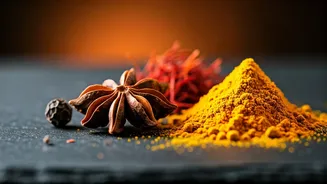
For instance, nutmeg, when taken in large doses, can induce hallucinations due to its active compound, myristicin. Similarly, saffron, often revered for its delicate flavor and color, can become toxic if consumed in high concentrations. The key takeaway is to treat spices as potent flavor enhancers and use them judiciously, much like any other ingredient, rather than assuming their natural origin makes them universally safe without limit. Understanding these potential dangers encourages a more mindful approach to seasoning your food.
Metabolism Magic? Not Quite
You might have heard that certain spices like turmeric and cayenne pepper can dramatically accelerate your metabolism and lead to rapid weight loss. However, the reality is more nuanced. While some scientific investigations suggest a minor, almost imperceptible, increase in metabolic rate from these spices, the effect is far from significant enough to be a primary driver of weight reduction. Relying solely on spices for metabolic enhancement is a misconception. Sustainable weight management and a healthy metabolism are best achieved through a combination of a balanced dietary pattern and consistent physical activity. Spices can contribute flavor and potentially minor benefits, but they are not a magic bullet for weight loss.
Natural Doesn't Mean Side-Effect Free
A common misunderstanding is that anything natural is automatically safe and free from adverse reactions. This notion, when applied to spices, can be misleading. Even natural compounds within spices can trigger allergic responses in some individuals or interact with prescribed medications. Garlic, for example, possesses blood-thinning properties. If you are taking anticoagulant drugs, consuming large amounts of garlic could potentially interfere with your medication's effectiveness. It's prudent to be aware of your personal health status and, if you have underlying conditions or are on medication, consult with a healthcare professional before making significant dietary changes that involve incorporating a lot of new spices.
Organic vs. Nutrition
Many consumers assume that spices labeled as organic are inherently more nutritious than their conventionally grown counterparts. This is not necessarily true. The nutritional profile of a spice is primarily determined by factors such as the specific variety, the soil conditions in which it is cultivated, and the methods used for harvesting and processing. While organic farming practices focus on reducing or eliminating synthetic pesticides and fertilizers, which is beneficial for the environment and consumer safety, these practices do not automatically guarantee a higher concentration of vitamins, minerals, or beneficial compounds compared to non-organic spices. The 'organic' label pertains more to cultivation methods than to superior nutritional content.
Spices Aren't Medicine
It's a common misconception that spices can serve as a complete replacement for conventional medicine when dealing with various health issues. While it's true that many spices possess properties that have been traditionally used for medicinal purposes and can indeed complement medical treatments, they should never be considered a substitute for drugs prescribed by a doctor. For instance, ginger is often used to alleviate nausea. However, it should not be used to replace anti-nausea medication without first discussing it with a healthcare provider. Always prioritize professional medical advice for treating ailments.