




Calcium's Protective Role
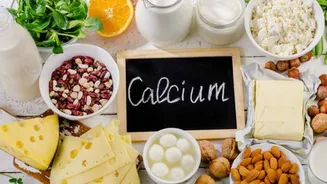
Contrary to popular misconception, dietary calcium is a valuable ally in the fight against kidney stones, not a cause. The prevailing myth that consuming
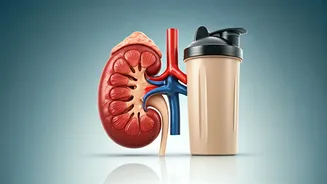
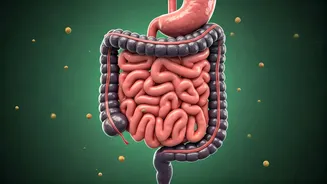
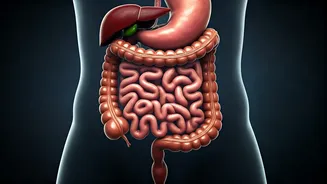
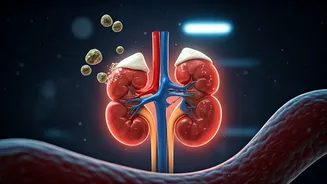
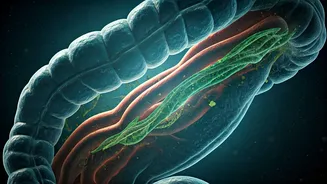
calcium-rich foods, like dairy, leads to stone formation simply doesn't align with scientific understanding. In reality, the calcium we ingest from food plays a crucial role in preventing these painful formations. It acts by binding with oxalate, a key component of many kidney stones, within the digestive tract. This binding process prevents the oxalate from being absorbed into the bloodstream and subsequently traveling to the kidneys where it could crystallize and form stones. Research consistently indicates that individuals who maintain an adequate intake of dietary calcium tend to have a demonstrably lower incidence of kidney stones compared to those with insufficient calcium consumption. Therefore, embracing calcium-rich foods is a proactive step towards safeguarding kidney health rather than a dietary risk.
Oxalates and Dietary Pairings
While calcium is beneficial, understanding its interaction with other dietary components is equally important for stone prevention. Foods high in oxalate, such as spinach, nuts, and chocolate, are often discussed in relation to kidney stones. Although these foods are packed with nutrients and beneficial for overall health, their consumption can be managed more effectively when paired with calcium-rich sources. Milk, as a prime example of a food rich in bioavailable calcium, can significantly mitigate the absorption of oxalates from other foods. By consuming milk or other calcium sources around the same time as oxalate-rich foods, the dietary calcium can bind to the oxalate in the gut, thereby reducing the amount of oxalate that reaches the kidneys. This strategic pairing is a simple yet effective dietary strategy to minimize the risk associated with consuming otherwise healthy, but oxalate-heavy, ingredients.
The Importance of Hydration
Beyond specific food choices, maintaining optimal hydration is arguably the single most critical factor in preventing the formation of kidney stones. Ample fluid intake, primarily water, serves to dilute the concentration of stone-forming substances within the urine. This dilution effect makes it much harder for minerals and salts to crystallize and aggregate into stones. In addition to water, milk also contributes positively to overall fluid intake, offering the dual benefit of hydration and essential nutrients without contributing to stone risk when integrated into a balanced diet. Therefore, ensuring you are consistently well-hydrated is a fundamental pillar of kidney stone prevention, complementing the benefits derived from dietary calcium and thoughtful food pairings.
Crafting a Balanced Diet
To effectively ward off kidney stones, cultivating a well-rounded dietary approach is paramount. This involves ensuring adequate intake of calcium, while also paying close attention to sodium and protein consumption. Significantly limiting salt (sodium) intake is crucial because high sodium levels can lead to increased calcium excretion in the urine, raising the risk of stone formation. Similarly, while protein is essential, consuming excessive amounts can generate more acid in the body, which can also promote stone development. Incorporating milk into such a balanced eating pattern ensures a consistent and beneficial supply of calcium. This strategy allows individuals to reap the protective benefits of calcium without introducing the risk of developing kidney stones, promoting overall renal wellness through informed dietary choices.