



Choosing the Right Fruit
To ensure your mangoes have a longer lifespan, especially during the scorching summer months, it's crucial to be selective at the point of purchase. Opt
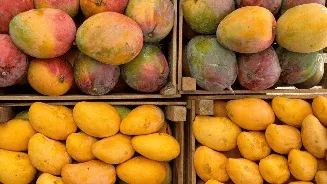
for fruits that are slightly underripe or semi-ripe rather than those that are completely soft and yielding to the touch. Fully ripened mangoes are far more susceptible to rapid spoilage when exposed to elevated temperatures, often developing undesirable soft spots and an off-putting aroma within a very short period. By choosing fruits with a bit more firmness, you allow them to mature gradually over several days, giving you a more extended window to savor their delightful taste and texture before they reach their peak ripeness and begin to decline.
Optimal Storage Environment
The key to extending mango freshness lies in creating an environment that is both cool and well-ventilated, actively combating the detrimental effects of heat and humidity. It is essential to identify the coolest spot in your home, steering clear of areas exposed to direct sunlight, proximity to gas stoves, or confined, enclosed cabinets. These conditions can accelerate ripening and encourage spoilage. Ensuring adequate airflow around the mangoes is paramount; this helps to prevent the accumulation of moisture, a primary culprit behind the development of mold and fungal growth, thus maintaining the integrity and quality of your fruit.
Strategic Mango Arrangement
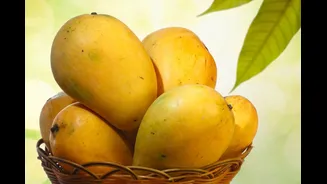
How you position your mangoes plays a significant role in their preservation. Avoid the common practice of piling mangoes one on top of the other, as this arrangement traps heat, accelerating the ripening process and increasing the risk of spoilage. Instead, arrange your mangoes in a single layer on a flat surface such as a basket, tray, or even a newspaper-lined area. This allows for better air circulation and more even ripening. For optimal results, consider gently turning each mango once a day. This simple step promotes uniform maturation across the entire fruit, ensuring consistent flavor and texture.
The Grain Immersion Method
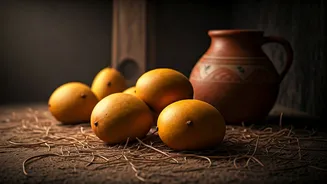
Embrace a time-honored Indian technique for naturally extending mango shelf life without any artificial cooling. This traditional method involves burying the mangoes in uncooked grains like rice or wheat. The grains serve a dual purpose: they help regulate moisture levels by absorbing excess humidity, and they facilitate a slow, even ripening process. To implement this, select a deep container and fill it halfway with your chosen grain. Carefully place the mangoes within the grain, ensuring they do not touch each other. Subsequently, gently cover the fruits with more grain. This technique effectively manages the ethylene gas released by the mangoes, preventing rapid ripening while shielding them from extreme heat.
Paper Wrapping Wisdom
When it comes to protecting your mangoes from the rigors of summer storage, opting for paper over plastic is a far superior choice. Plastic bags tend to trap moisture and heat, creating an environment conducive to rapid spoilage. Instead, individually wrap each mango in a material like newspaper, brown paper, or tissue paper. This porous wrapping serves to absorb any excess moisture that may form on the fruit's surface, thereby inhibiting the growth of mold and bacteria. Furthermore, this individual wrapping prevents a single spoiled mango from contaminating its neighbors, thus preserving the integrity of your entire batch.
Separating Fruit Stages
The ethylene gas released by fruits is a key factor in the ripening process, and understanding its behavior is vital for proper mango storage. Ripe mangoes emit more ethylene gas than their unripe counterparts, which can significantly accelerate the ripening and eventual spoilage of nearby fruits. Therefore, it is crucial to maintain a clear separation between mangoes at different stages of ripeness. Keep fully ripe mangoes, semi-ripe mangoes, and raw mangoes in distinct groups. This segregation prevents the rapid overripening of the entire collection and allows you to enjoy each fruit at its optimal stage.
Pre-Storage Water Bath
A traditional practice observed in many Indian households before storing mangoes involves a brief immersion in plain water. Soaking the mangoes for a period ranging from 30 minutes to a couple of hours is believed to serve several beneficial purposes. This method is thought to help remove any residual 'field heat' that the fruit may have retained from the tree and transport, as well as to wash away surface dirt and any potential chemical residues. Some also believe this water soak can mitigate the mangoes' natural tendency to generate internal heat, contributing to a more stable storage outcome.
Mindful Washing Habits
While it's natural to want clean fruit, excessive or premature washing of mangoes can inadvertently shorten their shelf life. The introduction of excess moisture to the fruit's surface creates an ideal breeding ground for mold and promotes spoilage. It is best practice to wash mangoes only immediately before you intend to consume them. If your stored mangoes happen to accumulate dust, a gentle wipe with a dry cloth is a much safer alternative than rinsing them repeatedly. This simple habit helps maintain the fruit's protective skin and reduces the risk of moisture-induced decay.
Common Spoilage Pitfalls
Many fruit enthusiasts unwittingly hasten the demise of their mangoes due to common storage errors. To avoid these, steer clear of sealing mangoes in plastic bags, which trap damaging heat and moisture. Never store mangoes that are still wet from washing, as this invites spoilage. Direct sunlight is a mango's enemy, so keep them in shaded areas. Avoid stacking them, as this leads to uneven ripening and trapped heat. Crucially, do not mix any spoiled mangoes with fresh ones, as rot spreads rapidly. Lastly, always prioritize good airflow and ventilation, as stagnant air exacerbates spoilage. Vigilance against these mistakes ensures your mangoes remain delightful for longer.