




Understanding Endometriosis
Endometriosis is a prevalent gynecological disorder impacting approximately 42 to 43 million women across India, often termed a 'silent epidemic' due to societal
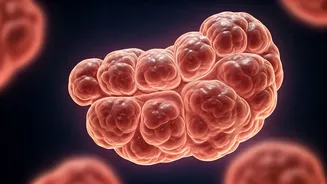
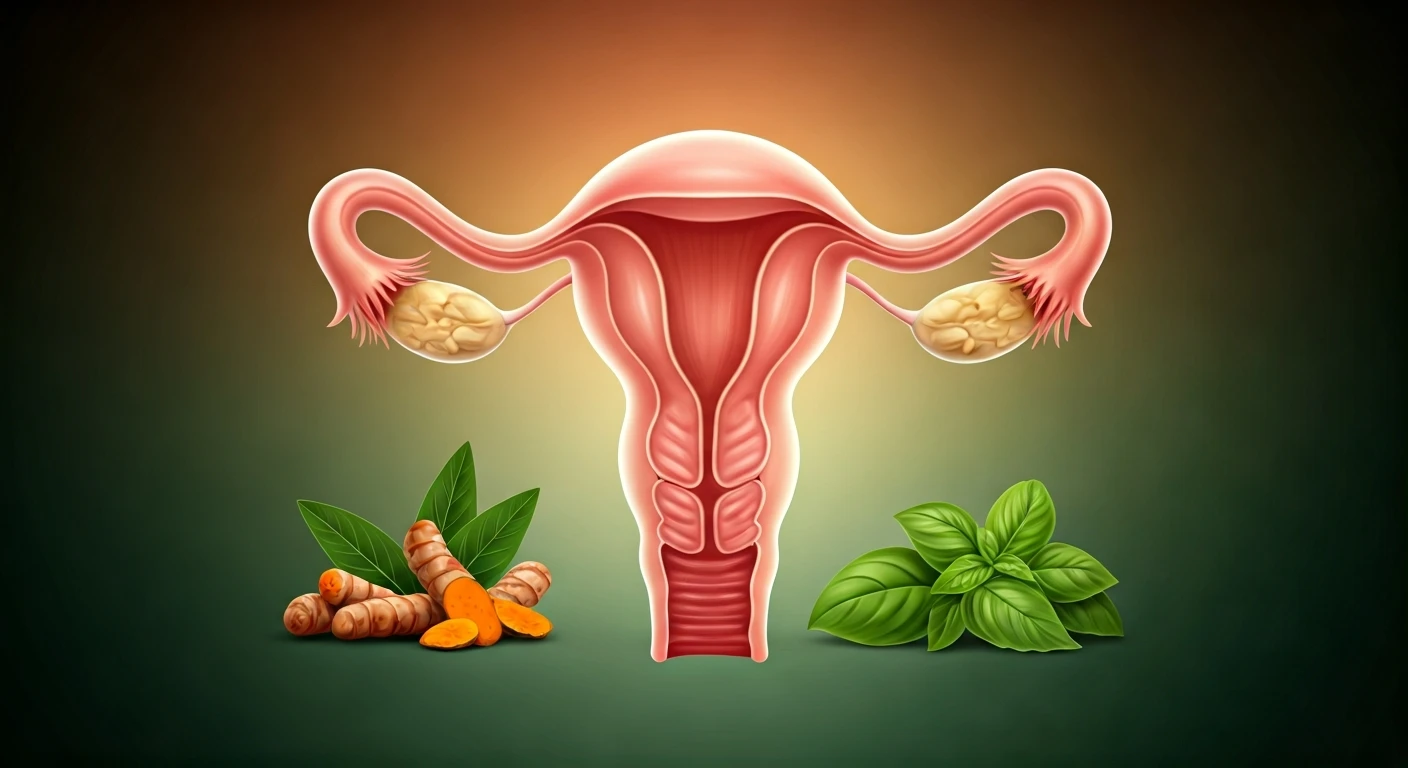
stigma and delayed diagnoses. This condition arises when tissue resembling the uterine lining grows outside the uterus, leading to persistent pain. In Ayurvedic principles, it's attributed to an imbalance of Vata Dosha, which governs the flow of energy during menstruation. Several forms exist, including superficial, deep infiltrating, ovarian, and rectovaginal endometriosis. While the exact causes are still explored, factors like genetic predisposition, immune system irregularities, and retrograde menstruation are considered. Key symptoms often include severe menstrual pain, pelvic discomfort, pain during or after sexual intercourse, and pain during urination or bowel movements, alongside potential fertility challenges. In India, this condition predominantly affects women aged 30-39, although it can manifest in women between 18 and 40 years old.
Dietary Approaches
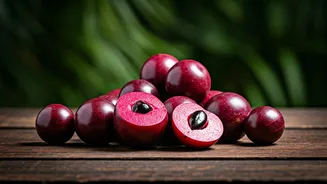
To effectively manage endometriosis, adopting a diet rich in fresh, warm, and easily digestible foods is crucial for bolstering digestive fire. Incorporating whole grains such as brown rice and oats, alongside an abundance of fresh fruits like papaya and pomegranate, can aid in the elimination of excess estrogen. Nutritious snacks like almonds, pumpkin seeds, and dates provide essential strength. For alleviating internal dryness, incorporating healthy fats like ghee and coconut oil is beneficial, while omega-3 sources such as chia seeds and walnuts are vital for reducing pelvic inflammation. Conversely, it's important to avoid cold, raw foods, as they tend to aggravate Vata. Processed foods like refined flour (maida), trans fats, and white sugar should be minimized as they can exacerbate inflammation. Enhancing meals with warming spices like ginger, cumin, fennel, and coriander can also offer significant benefits.
Herbal Remedies
Ayurveda offers a powerful arsenal of herbs to combat endometriosis. Shatavari is renowned for its ability to support female reproductive health and balance hormones. Turmeric, a potent anti-inflammatory agent, plays a key role in reducing pain and swelling associated with the condition. Triphala acts as a natural cleanser, purifying the body and promoting regular bowel movements, which is beneficial for overall detoxification. Ashwagandha is highly effective in managing the chronic stress often linked to illness, helping to calm the nervous system. Guggulu is recognized for its properties that may help reduce tissue proliferation and the formation of cysts. Additionally, Ashoka serves as a uterine stimulant, aiding in the regulation of menstrual cycles and managing heavy bleeding.
Lifestyle & Detoxification
Integrating specific lifestyle practices can profoundly impact endometriosis management. Engaging in Pranayama (breathwork) and meditation is highly recommended for regulating hormonal balance and supporting ovarian health. Certain yoga asanas, such as Supta Baddha Konasana (Reclined Bound Angle Pose) and Malasana (Garland Pose), are effective in relaxing the pelvic muscles and improving blood circulation in the region. Detoxification therapies, particularly Virechana (therapeutic purgation), help to eliminate excess Pitta and toxins from the body, thereby reducing inflammation and alleviating heavy bleeding. Furthermore, Abhyanga, an Ayurvedic herbal oil massage, is beneficial for restoring circulation and reducing congestion in the pelvic area, promoting overall physical and energetic well-being.