





Spotting the Unwanted Guests
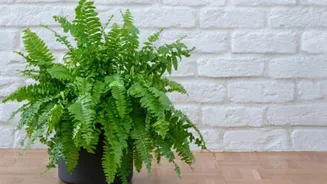
Indoor ferns, cherished for their verdant charm and air-enhancing abilities, unfortunately, can become targets for unwelcome visitors. Recognizing these
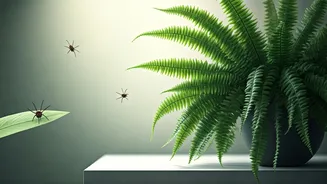
common pests is the first step to safeguarding your plants. Spider mites, for instance, often appear when the air is dry and leave behind fine, silken threads on the foliage. Aphids, tiny sap-suckers, tend to congregate on new growth, causing leaves to curl and distort. Mealybugs, a distinct white, cottony menace, attach themselves to stems and leaf undersides, draining the plant's vitality. Being aware of these signs allows for swift intervention before an infestation takes hold and compromises the plant's health and aesthetic appeal, ensuring your ferns remain a beautiful, thriving part of your indoor landscape.
Nature's Pest Defense
Embracing natural methods offers a safe and eco-friendly approach to managing pests on your indoor ferns. A simple concoction of water mixed with a mild, plant-safe soap can effectively suffocate and wash away small, soft-bodied insects like aphids and mealybugs. For a more comprehensive organic strategy, consider neem oil. Derived from the neem tree, this potent natural insecticide disrupts the feeding, growth, and reproductive cycles of a broad spectrum of common garden pests without harming the plant itself. These gentle yet powerful remedies ensure that your ferns can flourish without the need for harsh chemicals, promoting a healthier environment for both your plants and your home.
Creating the Ideal Habitat
The environment in which your indoor ferns reside plays a crucial role in deterring pest infestations. Ferns, native to humid, shaded environments, require consistent moisture in the air. Misting their leaves regularly or placing them near a humidifier can help maintain the high humidity levels they crave, making them more resilient. Conversely, overwatering should be avoided, as waterlogged soil can lead to root rot and stress the plant, inadvertently making it more susceptible to pests. Ensuring good air circulation around your ferns is also vital; stagnant air can create conditions conducive to pest proliferation. By carefully managing these environmental factors, you create a robust defense against potential invaders.
Diligent Care and Vigilance
Consistent observation and proactive maintenance are paramount in keeping your indoor ferns healthy and pest-free. Make it a habit to inspect your plants on a weekly basis, paying close attention to the undersides of leaves and new growth for any tell-tale signs of pests, such as discolored spots or webbing. Promptly remove any fallen or dead foliage, as these can serve as hiding places and attract undesirable insects. If an infested section is identified, prune it away immediately to prevent the problem from spreading to other parts of the plant or nearby plants. Providing adequate light exposure and feeding your ferns with a balanced fertilizer will further bolster their natural defenses and overall vitality.