






Kidneys: The Body's Silent Guardians
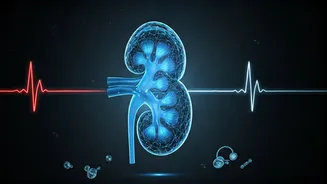
Kidneys are remarkable organs working tirelessly behind the scenes to maintain our well-being. Their crucial functions include diligently filtering waste
products from our blood, meticulously balancing essential electrolytes, regulating blood pressure to keep it within a healthy range, and ensuring overall metabolic stability. Despite their critical role, many individuals only recognize their importance when significant damage has already occurred. Often, the warning signs are subtle or non-existent until the kidneys are compromised. Understanding the delicate balance these organs maintain and the impact of external factors is the first step towards proactive kidney care. Neglecting their health can lead to severe consequences, making awareness and preventative measures paramount for long-term vitality and function.
The Hypertension Menace
High blood pressure, or hypertension, is a pervasive and frequently underestimated threat to kidney health, recognized globally as a leading cause of chronic kidney disease (CKD). The intricate network of tiny blood vessels within the kidneys is essential for their waste-filtering process. Persistent elevated blood pressure inflicts damage on these delicate vessels, gradually diminishing their ability to function efficiently. Over time, this cumulative damage leads to scarring of the kidney tissue, resulting in a progressive and irreversible decline in the kidneys' filtering capacity. The insidious nature of hypertension, often termed a 'silent killer,' means it can go unnoticed for years, allowing kidney damage to advance substantially before any symptoms become apparent. By the time symptoms manifest, the kidneys may have already sustained considerable harm, underscoring the critical need for regular blood pressure monitoring.
Stress: A Hidden Detriment
Chronic stress often operates as an indirect aggressor against kidney health. When faced with prolonged stress, the body's sympathetic nervous system becomes hyperactive, triggering an elevated release of stress hormones like cortisol and adrenaline. This sustained physiological response leads to a consistent rise in both blood pressure and blood glucose levels, both of which are detrimental to the kidneys. Furthermore, chronic stress can compel individuals to adopt unhealthy coping mechanisms, such as poor dietary choices, smoking, excessive alcohol consumption, or a lack of physical activity. These lifestyle behaviors further exacerbate the risk of kidney damage, creating a cascading effect of negative impacts on these vital organs. Managing stress effectively is therefore not just about mental well-being but also a crucial component of kidney protection.
Lifestyle Choices Matter
Our long-term kidney function is profoundly influenced by the lifestyle choices we make daily, particularly concerning our dietary habits. Diets characterized by high sodium intake, reliance on processed foods, and excessive consumption of unhealthy fats significantly increase the likelihood of developing hypertension and metabolic disorders, or a combination of both. These conditions place an undue burden on the kidneys, compromising their ability to function optimally. Similarly, a sedentary lifestyle, often linked to obesity, insulin resistance, and cardiovascular issues, is a substantial contributor to the onset and progression of chronic kidney disease. Additional risk factors that accelerate the loss of kidney function include chronic dehydration, the frequent use of over-the-counter medications, especially non-steroidal anti-inflammatory drugs (NSAIDs), and the use of tobacco products.
Prevention and Awareness
Fortunately, many of the detrimental factors affecting kidney health can be effectively managed through proactive prevention strategies. Regular monitoring of blood pressure is a cornerstone of early detection and intervention. Employing stress management techniques, such as mindfulness or meditation, can help mitigate the physiological impacts of chronic stress on the body, including its effects on blood pressure and glucose levels. Adopting a healthy diet rich in fruits, vegetables, and whole grains is vital for reducing the strain on the kidneys. For individuals with pre-existing risk factors like diabetes or high blood pressure, regular health screenings are indispensable. These screenings provide opportunities to identify potential issues early, allowing for timely lifestyle adjustments or medical interventions. Cultivating and maintaining a strong awareness of what contributes to kidney health is the most powerful tool for safeguarding these essential organs and preventing long-term complications.