





Essential Riding Gear
To fully embrace the thrill of dune biking in Northern Kenya, equipping yourself with the right protective gear is paramount for both safety and comfort.
A robust helmet is non-negotiable to safeguard your head, complemented by sturdy goggles that shield your eyes from sand and the intense glare of the sun. Similarly, protective gloves will offer a secure grip and prevent abrasions. On your feet, opt for durable boots that provide ample ankle support, crucial for stability on the unpredictable and uneven sandy surfaces. Given the arid climate, carrying ample sunscreen is vital to prevent sunburn, and a hydration pack is highly recommended to ensure you stay well-hydrated throughout your ride, combating the effects of the dry, sun-baked environment. These items collectively form the foundation of a secure and enjoyable exploration of the desert landscape.
Navigating Sandy Terrains
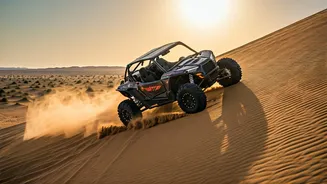
The allure of Northern Kenya's desert terrain for dune biking lies in its dynamic nature, presenting a unique set of challenges that riders must anticipate. You'll encounter abrupt shifts in elevation and a constant variation in sand consistency, both of which significantly influence how your bike performs. It's crucial to develop an understanding of how different sand types impact your control; for instance, very fine sand can lead to your tires losing traction and the bike skidding, whereas sand with a coarser grain offers superior grip, allowing for more confident maneuvering. Developing this awareness of the terrain's behavior, and adapting your riding technique accordingly, will dramatically improve your ability to maintain control and navigate the dunes with greater confidence and skill, transforming potential obstacles into manageable parts of the adventure.
Prioritizing Dune Safety
Safety must unequivocally be the foremost consideration when venturing out for dune biking excursions in Northern Kenya. Before you even set off, meticulously inspect your motorbike, paying close attention to the functionality of the brakes, the condition of the tires, and ensuring you have adequate fuel for your planned route. Riding with a companion or in a group is strongly advised over solo expeditions; this camaraderie ensures that assistance is readily available should any unforeseen circumstances or emergencies arise. Furthermore, it is imperative to stay within designated trails or areas. This practice not only helps you avoid potentially dangerous wildlife encounters but also mitigates the risk of accidents caused by hidden obstacles or hazardous drops, ensuring a safer and more controlled experience for everyone involved.
Optimal Riding Times
For the most comfortable and enjoyable dune biking adventure in the spectacular landscapes of Northern Kenya, strategic timing is key. The ideal period for undertaking these excursions is during the cooler months of the year, when the ambient temperatures are significantly more pleasant and less likely to lead to exhaustion from the heat. Specifically, venturing out in the early hours of the morning or during the late afternoon provides the most favorable conditions. These times offer cooler temperatures conducive to longer rides, allowing you to explore without being overwhelmed by the sun's intensity. By conscientiously avoiding the peak heat of midday, you can ensure sustained comfort and fully appreciate the breathtaking scenery under the gentler, more flattering light of dawn or dusk.