
Introduction to Gujarati Food
Gujarati cuisine is renowned for its diverse flavors, blending sweet, sour, and spicy elements in perfect harmony. The region's vegetarian traditions ensure
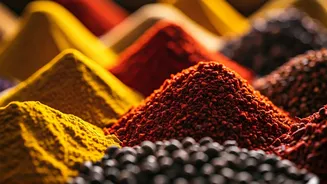
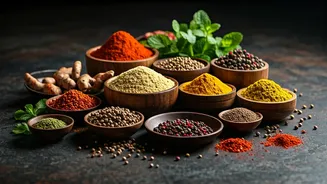
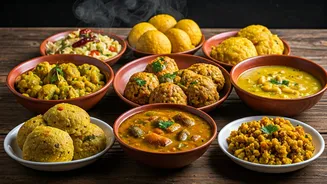
a wide array of plant-based dishes, emphasizing fresh ingredients and unique spice combinations. Many dishes incorporate lentils, vegetables, and grains, making them inherently nutritious. The cooking methods often involve steaming, simmering, and gentle frying, preserving the natural goodness of the ingredients. The use of ingredients like jaggery, tamarind, and peanuts adds distinctive tastes and textures. Gujarati food is also known for its presentation, with dishes often served in a thali, featuring a variety of tastes in one meal. Many households rely on homemade spices and family recipes passed down through generations. These dishes are more than just food; they are an integral part of Gujarat's rich cultural heritage. Exploring Gujarati cuisine means discovering the heart and soul of the region.
Dhokla: The Steamed Delight
Dhokla is a quintessential Gujarati snack, made from a fermented batter of gram flour (besan). The fermentation process gives it a slightly tangy flavor and a light, spongy texture. The batter is steamed, creating a soft and airy cake. Traditionally, dhokla is seasoned with mustard seeds, green chilies, and a garnish of fresh coriander leaves. It is often served with a sweet and tangy chutney made from tamarind and dates, adding a contrasting flavor profile. Dhokla is not only delicious but also relatively low in calories and a good source of protein, making it a healthy snack option. Variations include different types of dhokla, such as khaman dhokla, which may use a different batter. Dhokla's simplicity and versatility make it a popular choice for both everyday snacks and festive occasions. The dish represents the fusion of taste and health, highlighting the versatility of Gujarati cooking.
Thepla: Flatbread Goodness
Thepla is a flavorful flatbread, a staple in Gujarati households, especially during travel. It is made from whole wheat flour, mixed with spices like turmeric, chili powder, and fenugreek leaves (methi). The dough is then rolled out and cooked on a griddle, often with a touch of oil, until it turns golden brown. Thepla can be enjoyed plain, or stuffed with vegetables. Methi thepla is particularly popular, offering a distinct aroma and taste due to the fenugreek leaves. It's often paired with yogurt, pickle, or chutney, creating a complete and satisfying meal. Thepla is a good source of fiber, and its ingredients are easily accessible. The shelf life of thepla is longer than that of other breads, making it a convenient choice for meal planning. It exemplifies the practicality and deliciousness of Gujarati cuisine.
Undhiyu: Mixed Vegetable Marvel
Undhiyu is a seasonal mixed vegetable dish, typically prepared during winter months. The name comes from the Gujarati word 'undhu,' meaning upside down, referring to the traditional cooking method. Vegetables like eggplant, potatoes, beans, and green peas are layered in an earthen pot with a blend of spices. The pot is then placed upside down and slow-cooked over a fire, allowing the flavors to meld beautifully. Undhiyu often features muthia, small dumplings made from besan and spices. The unique cooking technique and combination of vegetables create a rich and complex flavor profile. The dish is considered a celebratory meal, often served during festivals and family gatherings. Its seasonal nature highlights the importance of fresh, local ingredients in Gujarati cuisine. The preparation of Undhiyu takes time and skill, representing the culinary heritage of the region.
Khandvi: Rolled Delight
Khandvi is a delicate and visually appealing snack made from gram flour and yogurt. The batter is cooked to a thick consistency and then spread thinly on a surface to cool. Once cooled, it's rolled into small, bite-sized pieces and tempered with mustard seeds, curry leaves, and a sprinkle of coconut. Khandvi has a smooth, slightly tangy taste and a soft texture. It is often garnished with fresh coriander leaves, adding a burst of freshness. The preparation requires precision and patience, but the result is a delightful snack that is both flavorful and light. Khandvi can be served as an appetizer or a side dish and is a popular choice for parties and gatherings. The dish’s intricate preparation showcases the culinary artistry of Gujarati cuisine.
Dal Dhokli: Comfort Food
Dal Dhokli is a one-pot meal that combines the goodness of dal (lentils) and dhokli (wheat flour dumplings). The dhokli are simmered in a flavorful dal, which is typically made with toor dal, tomatoes, and spices. The dumplings absorb the flavors of the dal, becoming soft and tender. The dish is hearty, comforting, and packed with nutrients. The spices used in Dal Dhokli, such as asafoetida and cumin, contribute to its unique taste. It’s a complete meal, providing protein from the dal, carbohydrates from the dhokli, and essential nutrients from the vegetables and spices. Dal Dhokli is often enjoyed as a lunch or dinner option and is a popular choice during cooler months. This dish reflects the Gujarati tradition of creating nutritious and satisfying meals from simple ingredients.
Handvo: Savory Cake
Handvo is a savory vegetable cake, baked or cooked on a stovetop, made from a batter of lentils, rice, and vegetables. Common additions include bottle gourd, carrots, and spinach. The batter is spiced with green chilies, ginger, and other seasonings. Handvo is cooked until golden brown, resulting in a crispy exterior and a soft interior. It can be served as a snack or a light meal, and its versatility makes it a favorite among many. Handvo is often garnished with sesame seeds and coriander leaves. The combination of textures and flavors makes Handvo an exciting dish. The baking process adds a unique touch to the dish, making it a healthy and appealing option for those seeking a balance of taste and nutrition. It's an example of how Gujarati cuisine transforms simple ingredients into complex and delicious creations.
Sev Tameta Nu Shaak
Sev Tameta Nu Shaak is a flavorful and tangy tomato and sev-based curry. It's made by cooking tomatoes with spices like turmeric, chili powder, and coriander powder. The dish is topped with sev (crispy gram flour noodles) before serving, which adds a crunchy texture. The sourness of the tomatoes and the crispiness of the sev combine to create a delightful sensory experience. The dish is quick and easy to prepare, making it a popular choice for busy weeknights. It’s often served with roti or rice. Sev Tameta Nu Shaak is a great example of Gujarati cooking's ability to create a delicious and satisfying dish with minimal ingredients. The flavors are balanced, and the textures are varied, making it a well-loved dish.
Fafda-Jalebi: Sweet & Savory
Fafda-Jalebi is a classic Gujarati breakfast combination, celebrating a balance of tastes. Fafda is a crispy, savory snack made from gram flour, seasoned with carom seeds and other spices. Jalebi is a sweet, deep-fried dessert made from fermented batter, which is soaked in sugar syrup. The contrast between the salty, crunchy fafda and the sweet, syrupy jalebi creates a unique and enjoyable flavor profile. This pairing is traditionally enjoyed on Sundays and during festivals. It's more than just a meal; it's a cultural experience. Despite the presence of fried elements, the overall combination is a treat. The popularity highlights the Gujarati appreciation for culinary diversity and the importance of special occasions.