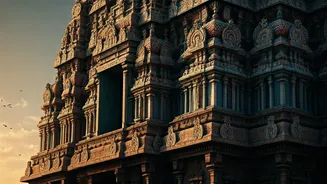

Introduction: Bodhi Day
Bodhi Day, observed annually on December 8th, commemorates the enlightenment of Siddhartha Gautama, the Buddha. It is a time for reflection, meditation,
and appreciation of Buddhist principles. Exploring temples during this period provides a deeper understanding of Buddhist teachings and the rich cultural heritage associated with them. The architectural marvels, intricate carvings, and serene atmosphere of these temples create a conducive environment for spiritual contemplation and a connection with the roots of Buddhism. Temples such as the Mahabodhi Temple in Bodh Gaya play a crucial role in the observance, attracting pilgrims and devotees from across the globe.
Mahabodhi Temple, Bodh Gaya
The Mahabodhi Temple in Bodh Gaya, Bihar, is a globally revered site. This is where Siddhartha Gautama attained enlightenment under the Bodhi tree. The temple complex is a UNESCO World Heritage Site. It attracts pilgrims and tourists alike. The central feature is the Bodhi tree, a direct descendant of the original tree. The temple's architecture, influenced by various styles, is a visual masterpiece. Visiting the Mahabodhi Temple on Bodhi Day allows one to walk in the footsteps of the Buddha. You can also engage in meditation, and reflect on the profound significance of enlightenment. The temple's serene atmosphere provides a unique experience of spiritual exploration.
Sanchi Stupa, Madhya Pradesh
Sanchi Stupa, a UNESCO World Heritage site, provides a unique glimpse into early Buddhist art and architecture. Commissioned by Emperor Ashoka in the 3rd century BCE, the stupa holds immense historical and religious significance. The intricate carvings on the toranas (gateways) narrate stories from the Buddha's life. They also represent various Jataka tales. The surrounding complex includes monasteries, temples, and other structures. These demonstrate the widespread influence of Buddhism. A visit to Sanchi Stupa on Bodhi Day offers a journey through time. It also provides the opportunity to appreciate the artistic brilliance of the ancient world. The calm environment encourages quiet contemplation, and a deeper understanding of Buddhist teachings.
Golden Temple, Amritsar
While primarily a Sikh shrine, the Golden Temple in Amritsar, Punjab, represents a symbol of inclusivity and compassion. The temple's architecture showcases a unique blend of Hindu and Islamic styles. It is particularly known for its golden facade and sacred tank. The Golden Temple reflects the values of equality, service, and devotion, shared by both Sikhs and Buddhists. On Bodhi Day, the temple's peaceful atmosphere and devotional practices inspire a sense of unity and spiritual connection. The community kitchens (langar) offer free meals to all visitors, embodying the principles of selfless service.
Wat Thai Temple, Bodh Gaya
Wat Thai Temple, also located in Bodh Gaya, offers a different perspective on Buddhist architecture and practice. This temple, constructed by the Thai community, reflects Thai Buddhist traditions and artistic styles. The vibrant colors, intricate details, and unique architecture provide a contrast to the Mahabodhi Temple. It symbolizes the global spread and diversity of Buddhist practices. Visiting Wat Thai Temple offers insight into the cross-cultural exchange of religious ideas. It also provides an opportunity for experiencing the varied expressions of faith. During Bodhi Day, the temple often hosts special events. These events help to deepen the appreciation of the Buddhist way of life.
Tawang Monastery, Arunachal Pradesh
Tawang Monastery in Arunachal Pradesh is one of the largest monasteries in India, a significant center for Tibetan Buddhism. Perched on a hilltop, this monastery commands stunning views of the surrounding valleys. The architecture, including intricate murals and sculptures, reflects the rich artistic heritage of the region. The monastery houses a vast library of Buddhist texts, offering insights into the philosophical and spiritual aspects of Buddhism. Visiting Tawang Monastery on Bodhi Day provides an immersive experience. It allows for exploration of the unique culture and spirituality of the region. The peaceful environment provides an ideal setting for introspection and spiritual growth.
Dharmarajika Stupa, Sarnath
Dharmarajika Stupa in Sarnath, Uttar Pradesh, marks the location where the Buddha delivered his first sermon after attaining enlightenment. The site holds immense historical significance, with numerous archaeological findings. The remains of ancient monasteries and temples reveal the growth of Buddhism in India. The present-day stupa is a reconstruction of the original, providing a sense of historical continuity. A visit to Dharmarajika Stupa on Bodhi Day offers a chance to connect with the roots of Buddhist teachings. It allows you to meditate on the principles of the Four Noble Truths and the Eightfold Path. The serene setting encourages contemplation of the Buddha's teachings. It also fosters a deeper spiritual connection.