





Geometric Minimalism
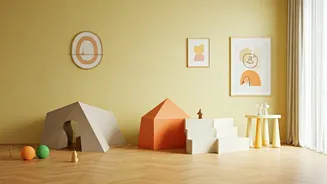
Geometric minimalism is a design philosophy characterized by the utilization of simple geometric shapes, such as squares, circles, triangles, and lines,
to produce visually attractive and well-organized environments. This design aesthetic prioritizes simplicity, clean lines, and functionality, often using a limited color palette and minimal ornamentation. The aim is to create a space that feels uncluttered, peaceful, and visually balanced. Implementing geometric minimalism involves integrating geometric shapes into various aspects of the space, including furniture, décor, and wall art. For instance, square coffee tables, circular mirrors, triangular shelves, and linear lighting fixtures can all contribute to this aesthetic. Using geometric patterns in wallpapers, rugs, or textiles is another means to add visual interest and depth. The choice of colors is crucial in geometric minimalism, with neutral tones like white, gray, and beige often serving as the foundation. These are then paired with accent colors that complement the overall design. By embracing geometric forms and a minimalist approach, a space can achieve a sense of order, elegance, and sophistication, making it both visually appealing and highly functional.
Nature's Embrace Design
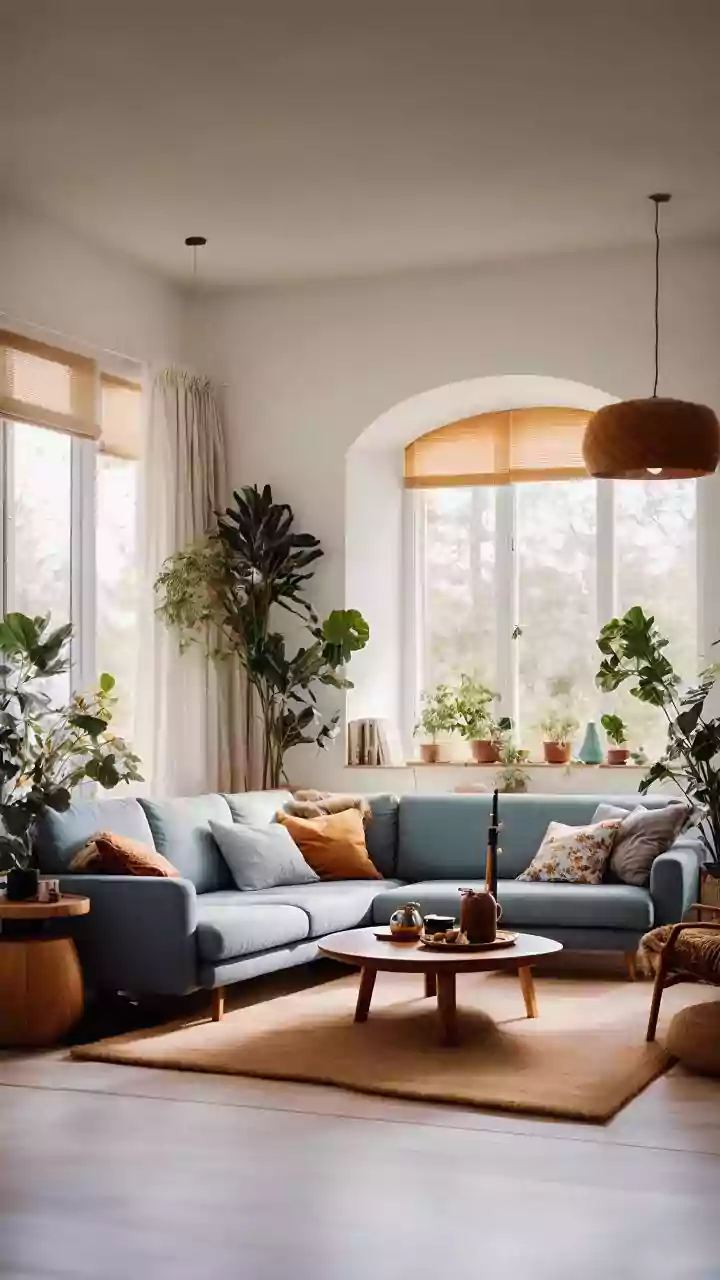
Nature-inspired forms encompass a design approach that draws inspiration from the natural world, incorporating elements such as plants, natural light, and organic shapes to foster a sense of harmony and connection with nature. This design philosophy emphasizes bringing the outdoors inside by utilizing natural materials, such as wood, stone, and bamboo, which add warmth and texture to a space. Plants, whether they are small potted plants or large indoor trees, are essential elements. They enhance the air quality and add a sense of vitality. Incorporating natural light is also crucial, as it brightens the space and highlights the natural elements. This can be achieved through large windows, skylights, and strategically placed mirrors. The color palette often consists of earthy tones like greens, browns, and blues, which replicate the colors found in nature. The use of organic shapes and patterns, such as curved lines and floral prints, can soften the overall look and create a more tranquil atmosphere. This approach promotes well-being and a sense of serenity within a space by integrating natural elements and creating a visual link to the environment.
Abstract Art Pieces
Abstract art pieces offer a distinctive and imaginative design approach, introducing non-representational elements, forms, and patterns into a space. This design aesthetic moves beyond the literal depiction of objects, focusing instead on visual elements like color, shape, line, and texture to convey emotions, ideas, or feelings. Abstract art can be incorporated through paintings, sculptures, and decorative objects, each of which can serve as a focal point, introducing an element of intrigue and visual dynamism. Abstract art encourages viewers to interpret the work according to their own experiences and perspectives, promoting a sense of personal connection and contemplation. The choice of colors, shapes, and textures in abstract art is vital, as they influence the mood and atmosphere of the space. Bold, vibrant colors can create a sense of energy and excitement, while softer, more muted tones can promote calmness and relaxation. The integration of abstract art allows designers to create visually compelling and thought-provoking environments that stimulate imagination and creativity, transforming a space into a vibrant expression of artistic sensibility.
Entryway Design Ideas
The entryway is the initial point of contact for guests and offers a chance to make a lasting impression. It's possible to transform a functional entryway into a stylish space with strategic design choices, such as using coat racks. Coat racks themselves are not merely practical items; they can serve as artistic pieces when chosen carefully. Industrial-style creations can incorporate raw materials like metal and wood, which provide a chic and utilitarian aesthetic. These racks often feature a dark color palette and straightforward lines. The entryway design should harmonize with the overall home's style. For example, a minimalist entryway could include a sleek, wall-mounted coat rack. A rustic home might have a coat rack made of reclaimed wood. Furthermore, mirrors can amplify light and space, while storage solutions, such as benches with built-in compartments, can keep the area tidy. Decorative elements like artwork and plants will add personality to this area. It's essential to consider functionality and aesthetics, ensuring the entryway is welcoming, well-organized, and indicative of the home's character.
Industrial-Style Creations
Industrial-style creations are defined by their incorporation of raw, unfinished materials, exposed structural elements, and a utilitarian aesthetic, which is often inspired by factories and warehouses. This design approach embraces functionality and simplicity, using materials such as metal, wood, concrete, and brick. This design frequently exhibits exposed beams, brick walls, and metal piping, creating a sense of history and character. The use of reclaimed materials adds a sustainable element, contributing to the style's distinctive appeal. A neutral color palette, dominated by grays, blacks, and browns, serves as the foundation. This creates a clean and understated look, while pops of color can be introduced through artwork, furniture, or accessories. Industrial-style furniture tends to be practical and robust, often featuring metal frames, wooden tops, and visible hardware. Lighting plays a vital role, often consisting of exposed bulb pendants, metal lamps, and track lighting, all of which contribute to the space's rugged charm. This aesthetic creates a unique and authentic atmosphere, combining functionality with an edgy, urban vibe, suitable for homes and commercial spaces.