
Establish A Neutral Foundation
Before diving into the exciting world of pattern mixing, it's crucial to establish a calm and versatile foundation within your space. Think of your walls
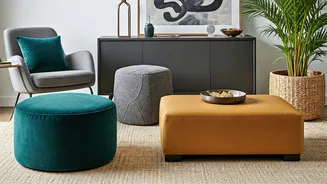
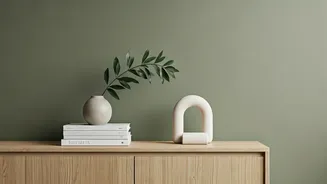
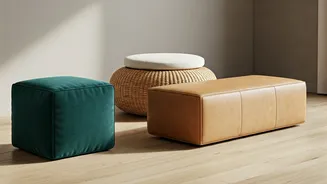
and primary furniture pieces – like your sofa or bed – as a blank canvas. Opt for solid, understated hues such as soft grays, warm beiges, or crisp whites. This neutral base serves to ground the more dynamic elements you'll introduce later. By ensuring your larger, foundational items don't compete visually, you create an environment where intricate designs and bold prints can truly stand out and be appreciated without overwhelming the senses. This approach allows all the chosen patterns to coexist harmoniously, enhancing the overall aesthetic rather than clashing.
Weave In Complementary Colors
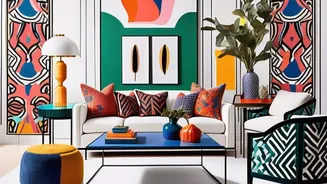
The key to a successful pattern mix lies in the subtle threads of color that connect them. When selecting your patterns, pay close attention to the color palettes they feature. Aim to build a cohesive scheme using three to four primary colors that appear across your chosen fabrics. For instance, if your primary pattern features a bold blue floral, look for another pattern with subtle blue accents, or perhaps a geometric design that incorporates a complementary yellow. This intentional repetition of color acts as a visual anchor, tying disparate designs together and preventing the room from feeling chaotic. It creates an intentional flow, ensuring that each pattern feels like a deliberate part of the overall composition rather than an accidental addition.
Play With Scale and Size
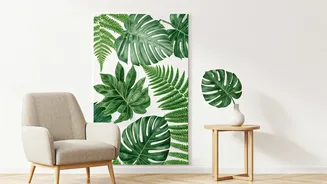
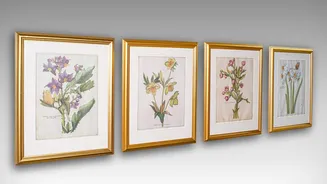
Achieving visual interest through pattern mixing is significantly enhanced by varying the scale and size of your chosen designs. Avoid using patterns of similar proportions, as this can lead to a monotonous or even cluttered look. Instead, embrace contrast by pairing a large-scale, dominant print with a smaller, more delicate pattern. For example, imagine a bold, oversized abstract print on your sofa complemented by a set of smaller, daintier floral cushions. This variation in size creates a dynamic interplay, guiding the eye around the room and adding depth and dimension. It ensures that no single pattern overpowers the others, fostering a balanced and engaging visual experience that invites exploration.
Balance Bold With Subtle
To prevent your patterned decor from becoming visually overwhelming, it's essential to introduce a sense of equilibrium by juxtaposing busy designs with simpler, more understated elements. Intricate patterns, such as elaborate paisleys, complex tribal motifs, or densely packed geometrics, can be incredibly striking, but they benefit greatly from being balanced. Pair these more visually demanding patterns with solid textures or designs that possess a subtle visual weight, like fine linen weaves, soft cotton blends, or even delicate pinstripes. This strategic pairing ensures that the eye has places to rest, maintaining a sense of calm and sophistication amidst the energetic pattern play. The simpler elements act as visual pauses, allowing the more complex patterns to shine without creating sensory overload.
Accessorize With Patterns
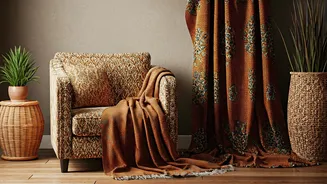
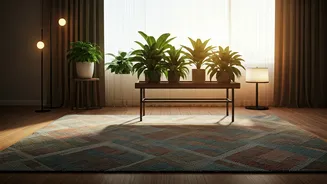
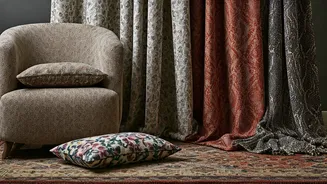
For those new to pattern mixing or looking for a less permanent way to experiment, accessories offer a fantastic entry point. Elements like throw pillows, area rugs, decorative curtains, and cozy blankets are perfect for introducing a variety of patterns into your home without a significant financial commitment. These smaller pieces are easily swapped out, allowing you to refresh your decor frequently or try out new trend-driven patterns. They provide an excellent opportunity to layer different motifs and see how they interact within your existing space. By strategically placing these patterned accents, you can inject personality and visual intrigue into any room, transforming its atmosphere with minimal effort and cost.