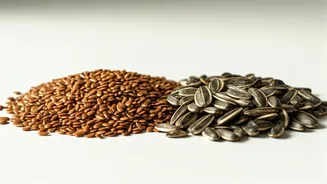





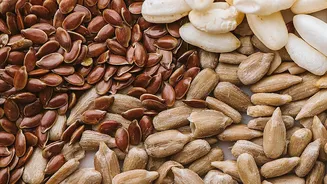

Flaxseeds: Omega-3 Powerhouse
Flaxseeds are widely celebrated for their exceptional omega-3 fatty acid content, particularly alpha-linolenic acid (ALA). These vital fats play a crucial
role in nurturing cardiovascular health by actively working to reduce inflammation throughout the body and contributing to lower cholesterol levels. To put it into perspective, a mere tablespoon of flaxseeds delivers approximately 2.4 grams of ALA, a quantity that typically exceeds the daily recommended intake for most individuals. Consistently incorporating flaxseeds into your eating habits can therefore serve as an effective strategy to meet your essential omega-3 requirements and support overall well-being.
Sunflower Seeds: Vitamin E Rich
Sunflower seeds stand out due to their abundant supply of vitamin E, a potent antioxidant. This nutrient is fundamental in protecting your body's cells from the detrimental effects of free radicals, which are unstable molecules that can cause cellular damage. A standard one-ounce serving of sunflower seeds provides around 10% of the daily recommended intake of vitamin E. This essential vitamin is not only vital for maintaining the health and vitality of your skin and eyes but also plays a supportive role in bolstering your immune system's functionality. Adding sunflower seeds to your diet is a delicious way to enhance your intake of this protective nutrient.
Fiber From Flaxseeds
Beyond their omega-3s, flaxseeds are an excellent source of dietary fiber, which is indispensable for maintaining a healthy and well-functioning digestive system. The fiber content aids in promoting regular bowel movements and effectively preventing issues like constipation. Just one tablespoon of ground flaxseeds contains roughly three grams of fiber, which translates to about 10% of the daily recommended intake for adults. Furthermore, consuming adequate fiber is instrumental in weight management, as it contributes to a prolonged feeling of fullness, helping to curb overeating and maintain a healthy body weight.
Protein From Sunflower Seeds
Sunflower seeds are also a commendable source of plant-based protein, a macronutrient that is fundamental for muscle repair, growth, and overall bodily function. In a one-ounce serving, you'll find approximately six grams of protein, which accounts for about 12% of the daily recommended intake for adults. Integrating sunflower seeds into your meals offers a convenient way to meet your protein needs without solely relying on animal-derived products, making them a valuable addition for vegetarians, vegans, or anyone looking to diversify their protein sources.
Incorporating Seeds Easily
Adding both flaxseeds and sunflower seeds into your daily dietary regimen is remarkably straightforward and can be done in numerous appealing ways. You can easily sprinkle them over your morning yogurt or toss them onto salads for an added textural and nutritional boost. For a smoother integration, blend them into your favorite smoothies or incorporate them into baked goods like muffins and bread. Ground flaxseed blends seamlessly into batters and doughs without significantly altering the flavor profile of your creations. Whole sunflower seeds, on the other hand, lend a delightful crunch when added to homemade granola, trail mixes, or even as a topping for savory dishes.