





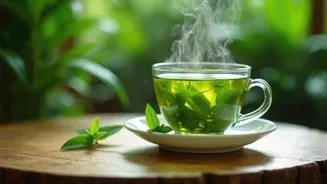
Herbal Teas: Symptom Soothers
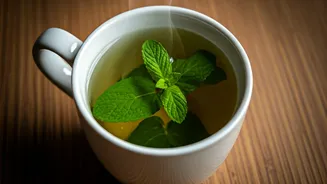
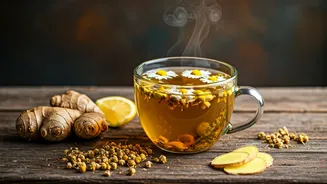
Many people turn to herbal teas like ginger or peppermint when feeling under the weather, believing they hold the key to beating a cold. While these brews
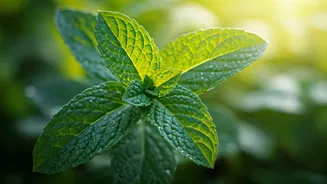
can offer a comforting warmth and may provide a temporary easing of discomfort, it's crucial to understand their role. For instance, the menthol in peppermint can help clear congested nasal passages, offering a sensation of easier breathing, and ginger's anti-inflammatory properties might help calm an irritated throat. However, these effects are primarily focused on alleviating the bothersome symptoms of a cold, rather than directly fighting the viral invaders. Think of them as a gentle hand offering comfort, not a powerful weapon against the illness itself. They are a pleasant addition to your recovery toolkit but shouldn't be seen as a substitute for medical advice or treatment when your symptoms are severe or persistent.
The Myth of a Cure
A pervasive idea is that a steaming cup of herbal tea can simply make a cold vanish. However, current scientific understanding does not support this notion. There's no concrete evidence demonstrating that any specific herbal tea possesses the power to eliminate a cold virus from your system. What they can do, effectively, is make the experience of having a cold a bit more bearable. They can help with issues like a scratchy throat or a stuffy nose, providing a much-needed sense of relief. But it's vital to remember that these teas do not target the root cause of the illness. Relying solely on herbal infusions, while enjoyable, might mean you miss out on other essential recovery practices, potentially extending the duration of your sickness.
Moderation and Awareness
While herbal teas are generally considered safe for most individuals, it's wise to approach their consumption with a degree of moderation and self-awareness. Like many things, too much of a good thing can sometimes lead to unintended consequences. In certain people, excessive intake of specific herbal teas might trigger minor side effects. These could range from mild digestive upset, such as an upset stomach, to less common allergic reactions. Therefore, it's always a good practice to listen to your body's signals. If you notice any unusual or unpleasant reactions after drinking your herbal brew, it’s prudent to pause your consumption and perhaps consult with a healthcare provider. This ensures you're making informed choices about your well-being and not blindly following a trend.
Holistic Cold Care
Beyond the comforting warmth of herbal teas, a comprehensive approach to managing cold symptoms involves several fundamental practices. Ensuring you stay well-hydrated by drinking plenty of plain water is paramount for overall recovery. Adequate rest is also non-negotiable; your body needs time to repair and fight off the infection. Utilizing a humidifier can help keep your airways moist, easing congestion and reducing throat irritation. These foundational elements work synergistically, complementing any soothing effects you might gain from your chosen herbal infusions. By integrating these habits, you create a supportive environment for your body to heal effectively, making your recovery journey smoother and more complete.