





Clay Selection Essentials
The foundation of any striking African figurine lies in the clay itself. Artisans traditionally favor natural clay, prized for its inherent workability
and widespread availability. For a successful sculpture, the clay must possess a delicate balance: it needs to be pliable enough to mold into desired shapes without collapsing, yet firm enough to retain even the finest etched details as it dries. Some experienced sculptors enhance the clay's properties by mixing in materials like sand or other natural elements. This not only improves the texture but also boosts the overall durability of the finished piece. Understanding the unique characteristics of your chosen clay is a crucial first step, ensuring your creation achieves both aesthetic appeal and lasting integrity.
Mastering Hand Sculpting
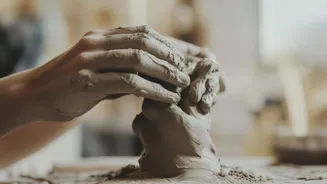
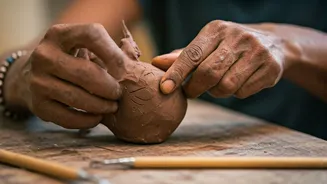
Embracing traditional sculpting means relying on your hands and minimal tools, eschewing modern equipment. Artisans often employ humble implements such as sharpened sticks or smooth stones to meticulously carve out delicate features, like expressive faces or intricate patterns on clothing. This method demands considerable patience, as allowing each applied layer to sufficiently dry before proceeding is paramount. This incremental approach prevents structural weaknesses and allows for the building up of complex forms. Engaging in these time-honored techniques fosters a more profound connection with the artistry and the cultural lineage of African figurine creation.
Infusing Cultural Significance
African figurines are far more than mere decorative objects; they are vessels rich with cultural narratives, embodying aspects of life, spiritual beliefs, and community values. Integrating these symbols into your sculptures imbues your work with profound depth and an undeniable sense of authenticity. Before you begin, dedicate time to researching the specific meanings and contexts behind various symbols. This diligent study ensures that your figurine effectively communicates its intended message or fulfills its designated purpose within its cultural framework, transforming a simple clay form into a meaningful representation.
Finishing and Preservation
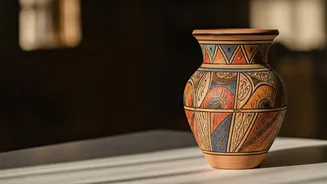
Once the sculpting process is complete, the final stages involve adding color and ensuring the figurine's longevity. Traditionally, artisans utilize natural pigments derived from plants and minerals to achieve vibrant hues, bringing the figures to life with authentic palettes. Following the painting, preservation techniques are applied to safeguard the delicate artwork. This often involves coating the figurine with natural oils or waxes, which act as protective barriers against environmental damage and wear. These meticulous finishing touches are vital for ensuring that the intricate details and overall beauty of the African figurine are preserved for generations to admire.