






Understanding Parkinson's and DBS
Parkinson's disease, a progressive neurological condition, significantly impacts an individual's ability to move and maintain autonomy over time. While
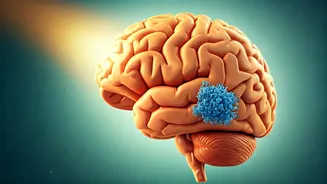
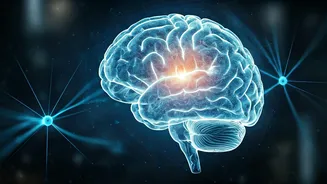
early-stage medications can provide relief, their efficacy often wanes, leading to diminished results and potential side effects. For those experiencing these challenges, Deep Brain Stimulation (DBS) emerges as a sophisticated surgical intervention. This procedure involves implanting fine wires within specific areas of the brain, which are then connected to a small device, typically placed under the skin of the chest. This system functions by sending electrical impulses that help regulate abnormal brain activity, thereby mitigating symptoms like tremors and slowness of movement that often arise when the brain's usual communication pathways are disrupted. DBS doesn't cure Parkinson's but aims to improve motor function when medicines are no longer sufficient, offering a chance to regain aspects of daily life that have become difficult.
How DBS Enhances Movement
Deep Brain Stimulation surgery offers a significant advantage for individuals with Parkinson's disease whose motor symptoms are no longer adequately managed by oral medications. The electrical stimulation delivered by the implanted device can effectively reduce the severity of tremors, alleviate muscle stiffness, and improve overall motor control. This often translates into a greater capacity for everyday activities. Crucially, by improving motor function, DBS can sometimes allow patients to reduce their reliance on Parkinson's medications, thereby lessening the burden of potential drug-induced side effects. It’s important to reiterate that DBS is not a curative treatment; it does not halt the progression of Parkinson's disease. However, its impact on regaining functional independence is profound, with many patients reporting enhanced abilities in tasks such as eating, walking, and dressing, activities that can become exceptionally challenging as the disease advances.
The Promise of Advanced DBS
The selection of patients for DBS surgery is a meticulous process, typically reserved for those who have experienced a decline in the effectiveness of their Parkinson's medications. This decision is made collaboratively by a team of medical professionals, including neurologists, neurosurgeons, and therapists, ensuring a comprehensive assessment of each individual's suitability and potential benefits. Looking ahead, the field of DBS technology is continuously evolving, with exciting advancements on the horizon. Future iterations of DBS devices are anticipated to incorporate adaptive capabilities, allowing them to automatically adjust stimulation based on the patient's real-time needs. This ongoing innovation holds considerable promise for further improving symptom management and enhancing the quality of life for individuals living with Parkinson's disease, offering a more dynamic and personalized approach to treatment and reinforcing hope for a better future.