







Origin and Cultivation
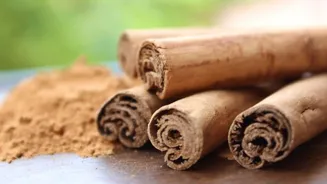
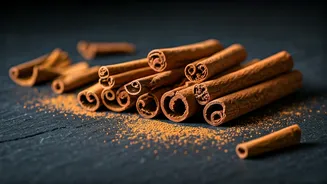
Ceylon cinnamon, revered as "true cinnamon," originates primarily from the verdant landscapes of Sri Lanka, thriving in its tropical climate. The artisanal
process of harvesting involves carefully stripping the inner bark from the cinnamon tree. This bark is then meticulously dried and rolled into characteristic quills. This labor-intensive method, while contributing to its higher cost compared to other cinnamon varieties, is instrumental in preserving its superior quality and distinct aromatic profile. This careful cultivation ensures that the final product delivers an unparalleled sensory experience and purity.
Health Benefits Galore
Beyond its delightful flavor, Ceylon cinnamon is a powerhouse of health-promoting compounds, notably its rich antioxidant content. These powerful substances play a crucial role in combating cellular damage caused by oxidative stress, thereby bolstering the body's natural defenses and fostering a robust immune system. Regular consumption is also linked to reduced inflammation throughout the body. Furthermore, this exceptional spice contributes to cardiovascular well-being by aiding in the regulation of cholesterol levels and promoting healthy blood pressure. Incorporating Ceylon cinnamon into your daily meals is a simple yet effective way to enhance overall health and embrace a wellness-focused lifestyle.
The Coumarin Advantage
A significant differentiator for Ceylon cinnamon is its remarkably low concentration of coumarin, a naturally occurring compound. While beneficial in small amounts, excessive coumarin intake can pose health risks, particularly to the liver, especially with prolonged consumption. Cassia cinnamon, the more widely available variety, contains substantially higher levels of coumarin, making it potentially less suitable for frequent or large-dose use. The inherent low coumarin content of Ceylon cinnamon makes it a safer and preferred choice for those seeking to incorporate cinnamon's benefits into their diet regularly without the concern of toxicity.
Culinary Adaptability
The subtle and nuanced flavor profile of Ceylon cinnamon makes it an exceptionally versatile ingredient in the kitchen, lending its charm to both sweet and savory culinary creations. Its gentle sweetness and warm aroma complement a wide array of desserts, from delicate pastries and cakes to comforting baked goods, without overpowering other flavors. Equally, it adds a sophisticated depth to savory dishes, enhancing the complexity of curries, stews, and braised meats. This adaptability has cemented its status as an indispensable spice in kitchens across the globe, celebrated for its ability to elevate diverse gastronomic preparations.
Selecting True Cinnamon
To ensure you acquire genuine Ceylon cinnamon, pay close attention to its appearance. Authentic quills typically exhibit a light brown hue and are characterized by multiple, thinly rolled layers. Steer clear of cinnamon sticks that feel unusually hard or are prone to breaking easily, as these may indicate lower quality or even imitation products. For the best results and to fully experience the unique properties and health benefits of true cinnamon, it is advisable to purchase from trusted retailers and reputable sources known for their commitment to quality and authenticity.