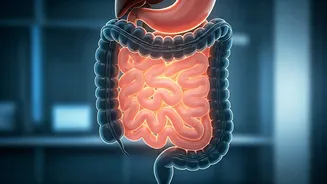








Dietary Shifts Impacting Digestion
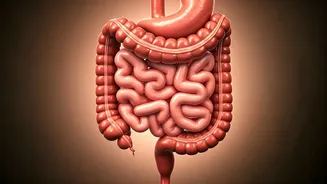
Our digestive systems are increasingly challenged by altered eating patterns prevalent today. A significant contributing factor is the widespread shift
towards processed, junk foods, often at the expense of fiber-rich whole foods. Fiber is indispensable for maintaining a healthy digestive tract and ensuring regular bowel movements. When dietary fiber intake is insufficient, the digestive process slows down considerably, creating an environment ripe for issues such as bloating, the buildup of gas, and the uncomfortable sensation of constipation. This imbalance in our food choices directly affects the efficiency of nutrient absorption and waste elimination, leading to a cascade of digestive discomforts that have become alarmingly common.
The Sedentary Lifestyle's Toll
Beyond what we eat, how we move—or rather, how much we don't move—is profoundly impacting our gut health. A lifestyle characterized by minimal physical activity is a major culprit behind the rise in digestive problems. Our bodies are designed for movement, and a lack of regular exercise can significantly impede the digestive process. Coupled with less obvious but common habits like rushing through meals, skipping meals altogether, or habitually consuming fizzy drinks, a sedentary existence exacerbates common digestive complaints. These seemingly minor daily behaviors, when combined with a lack of physical exertion, contribute to increased gas production and a general feeling of digestive unrest, making a smooth-functioning gut an elusive goal for many.
Stress and Gut Connection
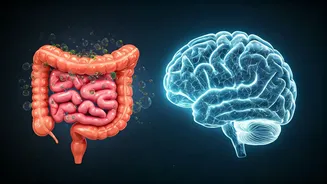
The intricate connection between our brains and our digestive systems is frequently underestimated, yet stress emerges as a potent trigger for gastrointestinal distress. When individuals experience significant emotional or mental pressure, their bodies release hormones that can actively slow down the digestive processes. This physiological response can manifest in various uncomfortable ways, including feelings of tightness in the stomach, noticeable bloating, erratic bowel movements, and in some cases, can contribute to the development of conditions like Irritable Bowel Syndrome (IBS), the severity of which can vary based on an individual's unique digestive system makeup and resilience.
Other Lifestyle Culprits
Beyond the primary drivers of diet and inactivity, a constellation of other lifestyle choices contributes significantly to digestive upset. Habits such as dining late into the night, enduring chronic sleep deprivation, failing to consume adequate water, and excessive caffeine consumption can throw the body's internal rhythm completely out of sync. When the body's natural cycles are disrupted, digestion becomes less efficient. This inefficiency can lead to food fermenting within the stomach, a process that inevitably results in the excessive production of gas and subsequent discomfort, highlighting how interconnected our overall well-being is with our digestive health.
Addressing Persistent Discomfort
While many turn to common home remedies like warm water, fennel seeds, ginger tea, or probiotics like curd for temporary relief from digestive discomfort, it's crucial to recognize their limitations. These remedies may offer short-term solace, but they are unlikely to resolve persistent or recurring symptoms effectively. Digestive issues that manifest frequently, such as consistent bloating or chronic constipation, should not be dismissed as minor inconveniences. Such persistent discomfort could be a signal from the body indicating an underlying health issue that requires professional medical attention and a more comprehensive approach to management and treatment.
When to Seek Help
Frequent episodes of digestive discomfort, including persistent bloating and constipation, are signals that warrant serious consideration. If these symptoms continue for several weeks and are accompanied by any of the aforementioned discomforts, it is highly advisable to consult a healthcare professional. Ignoring recurring digestive problems could mean overlooking a more significant health concern. Prompt medical evaluation can lead to an accurate diagnosis and appropriate management strategies, ensuring that underlying conditions are addressed effectively and long-term gut health is prioritized, preventing potential complications down the line.
Holistic Gut Health Strategies
The profound link between a healthy gut and overall well-being is now widely acknowledged. To cultivate better digestive health, several lifestyle modifications are recommended. These include adopting a balanced and nutritious diet, incorporating regular physical activity into your daily routine, ensuring sufficient hydration by drinking adequate water, actively managing stress levels, and establishing consistent meal timings. By consciously implementing these changes, individuals can significantly improve their digestive function and enhance their overall quality of life, transforming how their body processes food and nutrients.