




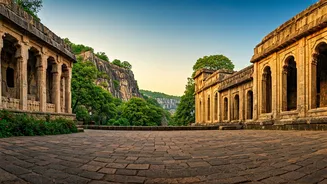
Acoustic Architecture Unveiled
Nestled near the serene Tungabhadra River in Hampi, the Vijaya Vithala Temple stands as a testament to the grandeur of the Vijayanagara Empire and its
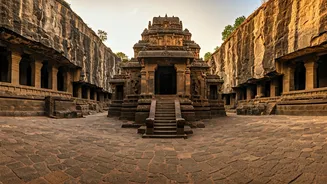
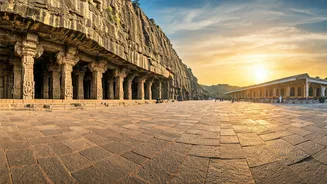
architectural prowess. This UNESCO World Heritage Site, constructed in the 15th century during the illustrious reign of King Krishnadevaraya II, is celebrated not only for its intricate carvings and the iconic Stone Chariot but also for an extraordinary acoustic phenomenon that has captivated visitors for over five centuries. Dedicated to Lord Vithala, an avatar of Lord Vishnu, the temple complex whispers tales of a bygone era through its pillared halls. While its visual splendor is undeniable, the true magic lies in the resonant properties of its stone pillars. When gently struck, these pillars emit distinct musical notes, reminiscent of various percussion instruments, creating an immersive auditory experience that transports one back in time and hints at a profound understanding of acoustics by its creators.
Harmonious Stone Symphony
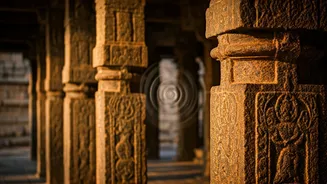
The most captivating feature of the Vijaya Vithala Temple is undoubtedly its remarkable stone pillars, which possess an uncanny ability to produce musical tones. Unlike conventional stone structures, these pillars, when tapped with precision, resonate with a variety of rhythmic sounds, each pillar yielding a unique musicality. Archaeologists and historians surmise that this acoustic marvel was not an accidental discovery but a deliberate design by the master architects of the Vijayanagara Empire. Through meticulous selection of specific stone types and the application of precise carving techniques, they engineered these pillars to act as ancient musical instruments. This sophisticated fusion of art and science allowed the temple itself to seemingly perform a concert, enhancing the spiritual ambiance and providing a truly unforgettable experience for all who visit, blurring the lines between a place of worship and a grand musical hall.
Ritualistic Resonance
The Vijaya Vithala Temple is a profound illustration of the advanced knowledge in acoustics, architecture, and aesthetics prevalent during the Vijayanagara period. Scholars propose that these musical pillars likely played a significant role in religious ceremonies and temple music performances. Imagine the spiritual upliftment as the pillars themselves contributed to the devotional music, creating an ethereal atmosphere for worshippers. This strategic integration of sound into the temple's design amplified the sacredness of rituals, allowing devotees to connect more deeply with the divine through an immersive sensory experience. The very stones of the temple were designed to harmonize with chants and prayers, transforming the space into a living, breathing instrument of devotion, a concept far ahead of its time.
Iconic Stone Chariot
Within the sprawling complex of the Vijaya Vithala Temple lies another iconic marvel: the magnificent Stone Chariot. Commissioned by King Krishnadevaraya in the 16th century, this colossal chariot is not merely an architectural feat but also a sacred shrine. It is dedicated to Garuda, the divine eagle who serves as the celestial mount for Lord Vishnu. The chariot, meticulously carved from stone, stands as a powerful symbol of devotion and artistic skill, honouring this revered deity. Its presence adds another layer of cultural and religious significance to the temple, complementing the acoustic wonders of the musical pillars and offering visitors a comprehensive glimpse into the rich artistic and spiritual heritage of the Vijayanagara era. The chariot stands as a silent, enduring tribute to faith and craftsmanship.