









Arthritis's Early Onset
A notable shift is occurring in arthritis diagnoses, with individuals in their late twenties, thirties, and early forties increasingly seeking medical
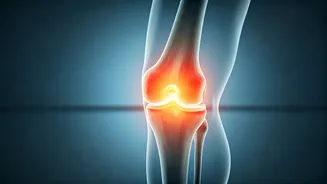
attention for persistent joint discomfort, particularly in the knees and hips. Historically associated with wear and tear in later life, this condition is now manifesting much earlier. Several contributing factors are identified, including increasingly sedentary lifestyles that lead to poor muscle conditioning, a rise in sports-related injuries that can cause post-traumatic joint damage, metabolic imbalances, and the growing prevalence of autoimmune diseases. These elements collectively accelerate joint degeneration, making it crucial to understand why this phenomenon is becoming more common among younger demographics and to address it proactively.
Lifestyle's Joint Impact
The choices we make daily significantly influence our joint health. Prolonged periods of sitting, a general decline in physical activity, maintaining an unhealthy body weight, and habits like smoking all contribute to increased stress and inflammation within the joints. Furthermore, rigorous high-intensity workouts, if not performed with proper technique and adequate conditioning, can lead to undetected ligament injuries and cartilage damage. This often goes unaddressed, accelerating the process of joint degeneration much sooner than expected. Inadequate rehabilitation following sports-related injuries also plays a crucial role, leaving joints vulnerable and prone to early arthritic changes.
Early Action Matters
The prognosis for arthritis can be significantly improved through early detection and timely intervention. Proactive steps can play a vital role in delaying the progression of the condition and mitigating long-term damage. Key strategies include consistent weight management to reduce the load on joints, engaging in structured physiotherapy to build strength and flexibility, and ensuring proper rehabilitation after any injury. Addressing nutritional deficiencies, such as ensuring adequate Vitamin D levels, also supports joint health. These interventions collectively help preserve joint function and prevent the irreversible deterioration associated with advanced arthritis.
Common Arthritis Types
Younger individuals are now presenting with a spectrum of arthritis types that were once more commonly observed in older populations. Post-traumatic arthritis, which develops after an injury to the joint, is increasingly seen. Early-onset osteoarthritis, specifically affecting the knee and hip, is also on the rise. Furthermore, autoimmune forms of arthritis, such as early rheumatoid arthritis, are becoming more prevalent. Another significant concern is hip arthritis that arises secondary to avascular necrosis, a condition where bone tissue dies due to a lack of blood supply. The increasing occurrence of these specific types underscores the need for heightened awareness and earlier diagnostic approaches.
Boosting Joint Awareness
Public understanding and education are powerful tools in protecting joint health, especially among younger demographics. Encouraging individuals to seek medical advice promptly when experiencing persistent joint pain, stiffness, or swelling is paramount. Educating young people about the importance of maintaining a healthy body weight, ensuring sufficient Vitamin D intake, and actively strengthening the muscles that support their joints can significantly reduce the risk of future joint problems. Furthermore, emphasizing the necessity of seeking timely and appropriate treatment after any significant injury can prevent latent damage from escalating into long-term joint deterioration and arthritis.