




Power Up With Plants
Many women reach for supplements to combat fatigue, bolster immunity, or address hormonal imbalances. However, the power of real, whole foods is often
underestimated. Instead of relying on isolated nutrient pills, which can be costly and less effective, focusing on a balanced diet rich in natural compounds offers a more sustainable path to wellness. Foods contain a complex matrix of vitamins, minerals, fiber, and antioxidants that work synergistically, mimicking what our bodies truly need. Making consistent, small changes to your daily meals can profoundly impact your energy levels, digestive health, skin radiance, and overall metabolic function, far more effectively than occasional supplementation. Embracing these wholesome ingredients is not just about health; it's about building practical, long-term habits that genuinely support your body's needs without breaking the bank.
Bone Health Boosters
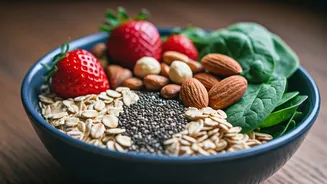
When considering bone strength, calcium is a key nutrient. Instead of popping calcium tablets, incorporate nutrient-dense foods like sesame seeds and almonds into your daily diet. Both are excellent natural sources of calcium, crucial for maintaining strong bones, and also provide beneficial healthy fats. These can be easily added to your morning porridge, sprinkled over salads for a nutty crunch, or blended into homemade chutneys, offering a steady and natural intake of calcium. This approach ensures your body receives calcium in a form that is easily absorbed and utilized, promoting sustained bone health without the need for artificial supplements. Making these simple food swaps is an effective way to prioritize bone density through delicious and versatile ingredients.
Vitality Through Dairy and Eggs
For maintaining optimal energy levels and nerve function, Vitamin B12 is essential. Rather than relying on Vitamin B12 tablets, look to readily available, natural food sources. Dairy products such as milk, yogurt, and paneer, along with eggs, are excellent providers of this vital nutrient. Regularly including these items in your meals ensures a consistent and reliable supply of Vitamin B12, which is fundamental for cellular energy production and the proper functioning of the nervous system. By integrating these protein-rich foods into your breakfast, lunch, or dinner, you can naturally support your body's needs and combat fatigue without the expense and potential drawbacks of supplements. This dietary approach contributes to sustained vitality and overall well-being.
Mindful Magnesium Sources
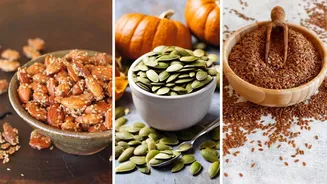
Magnesium plays a crucial role in muscle function, stress management, and overall relaxation. Instead of reaching for magnesium tablets, consider incorporating nutrient-rich seeds and dark chocolate into your diet. Pumpkin seeds are a fantastic source of magnesium, supporting everything from muscle contractions to a more balanced mood. Enjoying a small portion of high-cocoa dark chocolate not only provides magnesium but also satisfies sweet cravings with its rich flavor, offering a dual benefit. These food choices offer a delicious way to meet your magnesium requirements, promoting physical comfort and mental calm naturally. It's a delightful strategy to nourish your body while indulging your taste buds.
Immunity and Skin Powerhouses
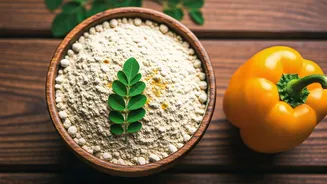
Vitamin C is renowned for its immune-boosting properties and its contribution to healthy skin. Forget the Vitamin C tablets and embrace the vibrant power of fresh produce. Indian gooseberry, or amla, and brightly coloured capsicum are absolute powerhouses of Vitamin C and potent antioxidants. Incorporating these into your diet can significantly strengthen your immune system, helping your body fend off infections more effectively. Furthermore, the antioxidant content works to protect your skin from environmental damage and promotes a radiant complexion. Adding amla to juices or chutneys and enjoying capsicum in stir-fries or salads are simple yet impactful ways to enhance your daily nutrient intake and bolster your overall health.
Natural Iron Replenishment
Maintaining healthy iron levels is vital for energy and preventing anemia. Instead of relying solely on iron tablets, traditional wisdom offers effective food-based solutions. Garden cress seeds, often referred to as 'halim' in India, have been traditionally recognized for their rich iron content. When soaked and added to meals, like rotis or milk, they provide a natural source of iron. Combining these seeds with dates, which are also a good source of iron and natural sugars, creates a synergistic effect that supports haemoglobin production. This method offers a gentle yet effective way to replenish iron stores and boost energy levels naturally through wholesome, readily available ingredients.
Gut Health from Fermentation
For optimal digestive health and a balanced gut microbiome, probiotic capsules are often considered. However, more accessible and natural alternatives exist within our kitchens. Fermented foods like rice kanji (fermented rice water) and homemade curd are brimming with beneficial bacteria that promote a healthy gut environment. These traditional foods support digestion, improve nutrient absorption, and can help alleviate common digestive issues without the expense of commercial probiotic supplements. Regularly consuming these cultured foods is a time-honored and effective strategy for nurturing your gut flora and enhancing overall digestive well-being. They offer a delicious and economical path to a healthier digestive system.
Omega-3s the Plant Way
Omega-3 fatty acids are crucial for brain health, heart function, and reducing inflammation. Instead of opting for fish oil supplements, which can sometimes raise concerns about mercury contamination and aren't suitable for vegetarians, consider plant-based alternatives. Chia seeds, flax seeds, and walnuts are excellent sources of ALA, a type of omega-3 fatty acid that the body can convert into EPA and DHA. These seeds and nuts are versatile additions to your diet; sprinkle them on yogurt, blend them into smoothies, or add them to baked goods. They offer a mercury-free, often more economical, and eco-friendly way to boost your omega-3 intake, making them a practical choice for sustainable health.