






Shielding Futures with HPV Vaccines
India is on the cusp of a significant public health advancement with the planned rollout of a free, nationwide Human Papillomavirus (HPV) vaccination program.
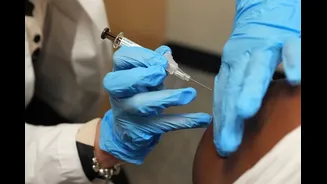
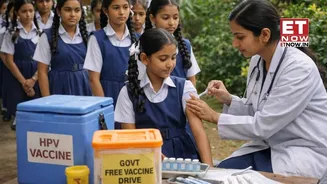
This initiative is specifically designed to bolster women's health by proactively preventing cervical cancer, one of the most prevalent and yet entirely preventable forms of cancer affecting women across India. The HPV vaccine targets adolescent girls aged 14, offering them protection before potential exposure to the virus. This strategic timing, as recommended by expert bodies like the National Technical Advisory Group on Immunization (NTAGI), is projected to provide lifelong immunity and substantially decrease the future burden of cervical cancer. The vaccine, a non-live quadrivalent formulation, guards against HPV types 16 and 18, which are responsible for over 80 percent of cervical cancer cases in India, as well as types 6 and 11. Its efficacy is well-established, with over 500 million doses administered globally since 2006 and a single dose proving robust and durable protection in the recommended age group, aligning with global strategies for cervical cancer elimination.
Nationwide Access and Support
The government is actively encouraging parents and guardians nationwide to ensure their 14-year-old daughters receive this vital vaccination once the program commences. This voluntary and complimentary vaccination drive will be accessible through designated government health facilities, encompassing Ayushman Arogya Mandirs (Primary Health Centres), Community Health Centres, Sub-District and District Hospitals, and Government Medical Colleges. This broad accessibility ensures that the vaccine reaches as many eligible girls as possible. The move aligns with the World Health Organization's global strategy to eradicate cervical cancer, a goal supported by over 90 countries currently employing single-dose HPV vaccination schedules, and about 160 countries that have already integrated HPV vaccination into their national immunization plans. Countries that have implemented widespread vaccination programs have already reported considerable reductions in HPV infections, precancerous lesions, and the incidence of cervical cancer itself, underscoring the program's potential impact.
Combating a Persistent Threat
Cervical cancer continues to be a significant health challenge in India, ranking as the second most common cancer among women, with alarming statistics of nearly 80,000 new cases and over 42,000 deaths annually. Scientific evidence overwhelmingly points to persistent infection with high-risk strains of the Human Papillomavirus (HPV), particularly types 16 and 18, as the primary cause of nearly all cervical cancer cases. In the Indian context, these two HPV types collectively account for more than 80 percent of the disease burden. Despite the availability of vaccination and early screening methods to prevent and manage cervical cancer, it persistently imposes a heavy toll on the health and lives of women and their families. The introduction of this preventive vaccination program is a critical step towards interrupting the chain of infection before it can escalate into invasive cancer, thereby safeguarding the health and well-being of future generations of Indian women.