







An Icon's Legacy
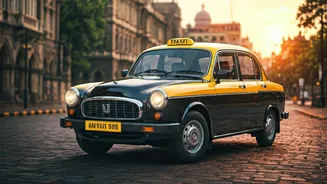
The Kaali-Peeli taxis of Mumbai, also known as black and yellow cabs, are more than just a mode of transport; they are a symbol of the city's vibrant spirit.
Their presence on Mumbai's streets dates back to the early 20th century when they began to replace horse-drawn carriages. Over the decades, these taxis have become an integral part of Mumbai's identity, weaving through the city's intricate network of streets. They've served as silent witnesses to countless stories, from daily commutes to late-night adventures. The simple yet striking color scheme—black and yellow—makes them instantly recognizable, a beacon in the bustling urban landscape. The Kaali-Peeli taxis represent resilience, adaptation, and an unwavering presence in the face of Mumbai's constant evolution.
Evolution on Wheels
The Kaali-Peeli taxis haven't remained static throughout the years. Their evolution mirrors Mumbai's own. Initially, these taxis were primarily older models, but as technology advanced and consumer preferences shifted, the types of vehicles used as taxis also changed. The introduction of newer models with improved features offered passengers better comfort and safety. Despite these upgrades, the iconic black and yellow color scheme has remained a constant. The shift also encompassed technological advancements, with the adoption of digital meters, GPS tracking, and ride-hailing apps, all aimed at enhancing the passenger experience. Each transformation has ensured that the Kaali-Peeli taxis stay relevant in a rapidly changing world while preserving their timeless charm.
Cultural Significance Celebrated
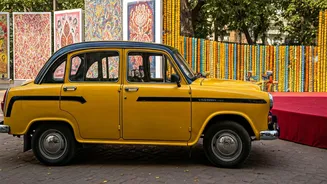
The decision to feature Kaali-Peeli taxis at the Kala Ghoda Festival 2026 was a recognition of their cultural importance. This iconic mode of transport encapsulates the essence of Mumbai, and its inclusion in the festival underscores its relevance in the city’s narrative. The festival would have likely presented exhibitions, showcasing the history of these taxis, perhaps including vintage models, photographs, and stories. The inclusion of Kaali-Peeli taxis was a tribute to the everyday lives of Mumbaikars, highlighting a symbol that unites different backgrounds and communities. The festival provided an opportunity to reflect on the taxi's role in the city's development and its contribution to Mumbai's cultural landscape, solidifying its place in the city's heart.
Impact on Mumbai Life
The Kaali-Peeli taxis have profoundly influenced how Mumbaikars navigate and experience their city. They are accessible and affordable, offering a vital service to people from all walks of life. These taxis are always available, providing a means of transport that operates at all hours, connecting various parts of the city. The taxis are often a cultural melting pot; a place where conversations between passengers and drivers reveal insights into Mumbai's diverse society. They have played a crucial role in enabling economic activity by facilitating movement across the city. The Kaali-Peeli taxis embody the spirit of Mumbai—resilient, adaptable, and forever in motion.
Looking to the Future
As Mumbai evolves, the Kaali-Peeli taxis are adapting to ensure their continued relevance. Discussions around integrating electric vehicles (EVs) into the fleet indicate a move towards sustainable transport. The adoption of modern technology, such as mobile booking systems, is designed to enhance efficiency and customer convenience. These adaptations reflect a broader ambition to balance tradition with modernity, preserving the historical significance of the taxis while embracing future possibilities. The Kaali-Peeli taxis, therefore, are not merely relics of the past but living entities poised to evolve and thrive in the years to come, reflecting Mumbai's dynamism.