






The Oral-Systemic Connection
It's increasingly clear that the health of your mouth isn't isolated from the rest of your body. Conditions like apical periodontitis, an infection often
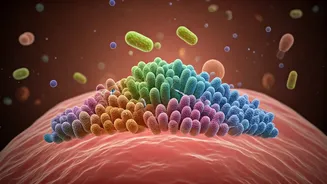
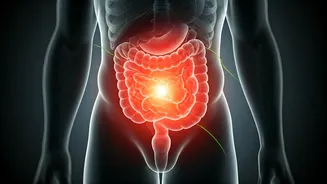
requiring a root canal, can be more than just a dental nuisance. When bacteria from an infected tooth spread, they can enter the bloodstream, triggering widespread inflammation. This chronic inflammatory state is a known contributor to serious health issues, including increasing the likelihood of developing heart disease. Furthermore, persistent inflammation can interfere with your body's ability to regulate blood sugar effectively, thereby elevating the risk of developing type 2 diabetes. By successfully treating the source of infection with endodontic therapy, the cascade of negative systemic effects can potentially be halted, offering a vital pathway to improved overall well-being and potentially mitigating the onset of these chronic illnesses.
Key Study Insights
A significant clinical trial, published on November 18, 2025, in the Journal of Translational Medicine, provided compelling evidence of the benefits of root canal treatment. Researchers from King's College London followed 65 patients for a period of two years after they underwent root canal procedures at Guy’s and St Thomas’ NHS Foundation Trust. Using advanced nuclear magnetic resonance spectroscopy to analyze blood samples, the study observed remarkable improvements in participants' metabolic profiles. Notably, blood glucose levels showed a significant reduction, suggesting enhanced glucose metabolism—a critical factor in preventing and managing diabetes. The study also indicated short-term improvements in cholesterol and fatty acid levels, alongside a consistent decrease in inflammatory markers strongly associated with cardiovascular disease. The research underscored that oral bacteria from infected teeth can indeed impact the body's metabolism, confirming the crucial oral-systemic link. Over half of the study participants demonstrated these positive metabolic shifts, with markers such as triglycerides and tryptophan serving as key indicators of recovery and improved health.
Diabetes Risk Reduction
The implications of this research for diabetes management and prevention are profound. The study's findings revealed sustained reductions in blood sugar levels up to two years post-root canal treatment, a clear indicator of improved insulin sensitivity and better overall glucose control. This is particularly significant given the rising global prevalence of type 2 diabetes, a condition often exacerbated by chronic oral infections that lead to poorer glycaemic outcomes. Patients in the study exhibited healthier HbA1c levels, demonstrating that eradicating apical periodontitis effectively alleviates metabolic stress on the body. Incorporating timely and effective root canal treatments could represent a revolutionary step forward in proactive diabetes prevention strategies, offering a tangible way to reduce the metabolic burden associated with dental infections.
The Science of Linkages
The underlying science connecting oral health to systemic diseases like heart disease and diabetes involves complex biological pathways. When bacteria from untreated root canals enter the bloodstream, they can provoke systemic inflammation. This inflammation has the power to disrupt normal metabolic processes, specifically altering pathways related to lipids and glucose. The advanced metabolomic analysis employed in the 2025 King's College study provided concrete evidence linking these oral microbes to broader metabolic disturbances. Crucially, these disruptions were shown to be reversible following successful endodontic therapy. This highlights a powerful bidirectional relationship: poor oral health can fuel the development and progression of chronic diseases, but conversely, treating oral infections can help restore metabolic balance and promote resilience against these debilitating conditions. Prioritizing endodontic treatment, therefore, emerges as a strategic investment in long-term health, supported by robust scientific evidence.