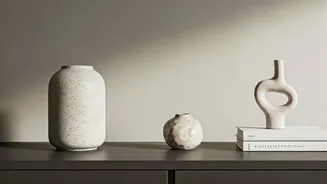







Embrace Natural Elements
Integrate elements from the natural world into your home to foster a deeper connection with nature. Think about incorporating materials like unvarnished
wood, rough-hewn stone, and earthenware ceramics. These substances possess an inherent beauty that evolves gracefully over time, mirroring the natural cycle of life and decay. Opting for items that show the hand of the maker or bear subtle variations enhances the unique character of your environment. This conscious inclusion of organic textures and tones creates an atmosphere of serenity and grounding, reminding you of the world beyond your walls and promoting a sense of tranquility.
Simplify Your Surroundings
Adopting a wabi-sabi approach necessitates a thorough decluttering of your living areas. A pared-down environment, free from unnecessary possessions, allows for a clearer focus on what truly holds significance. Curate your belongings, keeping only those items that serve a practical purpose or genuinely bring you delight. This minimalist mindset not only alleviates stress but also cultivates a profound appreciation for the inherent beauty and utility of each individual object. By reducing visual noise, you create space for contemplation and a more mindful interaction with your possessions and surroundings, leading to a calmer state of being.
Cultivate Present Moment Awareness
At its core, wabi-sabi is deeply intertwined with the practice of mindfulness. Dedicate moments each day to consciously engage with the present, observing your thoughts and feelings without judgment. This can manifest through formal meditation sessions, quiet contemplation, or even by bringing your full attention to simple activities like walking or enjoying a cup of tea. By anchoring yourself in the now, you foster a greater understanding of your inner landscape and develop a profound acceptance of life as it unfolds. This cultivated awareness is a cornerstone of wabi-sabi, leading to a more peaceful and resilient state of mind.
Celebrate Flaws and Imperfections
Wabi-sabi invites us to reframe our perception of flaws, finding aesthetic appeal in what might typically be considered imperfect. This means appreciating the subtle cracks in a beloved ceramic bowl, the uneven texture of a hand-woven fabric, or the patina of age on an antique piece. Embracing these imperfections as an integral part of an object's history and character fosters greater resilience and open-mindedness. It gently nudges us away from the often-stressful pursuit of unattainable perfection, encouraging instead an acceptance of life's inherent irregularities and a more forgiving outlook on ourselves and the world.
Connect Deeply with Nature
Immersing yourself in the natural world is a powerful way to embody wabi-sabi principles. The ever-changing landscapes, from the changing seasons to the gentle erosion of rocks, serve as constant reminders of life's impermanence and the profound beauty found within this flux. Regularly spending time outdoors, whether through engaging in gardening, taking leisurely walks, or simply observing the natural environment, cultivates a more profound connection to the earth. This engagement not only promotes a sense of relaxation and well-being but also deepens your understanding of life's transient yet beautiful cycles, aligning you with the core tenets of wabi-sabi.