





Thepla
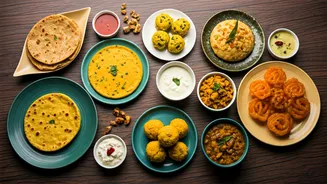
Thepla is a quintessential Gujarati flatbread, offering a delightful combination of flavors and textures. Typically crafted from wheat flour, it incorporates
various spices, herbs, and sometimes fenugreek leaves (methi), which impart a unique aroma and taste. Thepla is often enjoyed for breakfast or as a travel-friendly snack, as it remains fresh for several days. It is often served with yogurt, pickles, or a spicy chutney, providing a balanced and satisfying meal. The preparation of thepla involves mixing the ingredients into a dough, which is then rolled out and cooked on a griddle with a little oil until it turns golden brown. Its versatility makes it a beloved staple across Gujarat.
Dhokla
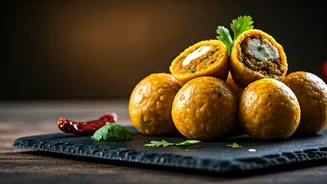
Dhokla, a steamed cake made from fermented batter, is a popular Gujarati snack known for its light and fluffy texture. The batter is usually made from a combination of rice and chickpeas (chana dal), which is allowed to ferment, giving the dhokla its characteristic tang. The fermentation process is crucial for the spongy consistency. The batter is then steamed until cooked, and subsequently, tempered with mustard seeds, green chilies, and curry leaves for added flavor and visual appeal. Dhokla is typically served with a sweet and tangy chutney, often made from tamarind and dates, providing a delightful contrast of flavors. Variations of dhokla abound, including the khatta dhokla (sour) and the rava dhokla (made with semolina), demonstrating its adaptability and popularity.
Undhiyu
Undhiyu is a traditional Gujarati mixed vegetable dish, often prepared during the winter season. The name, derived from the word 'undhu' meaning upside down, refers to the traditional method of cooking the dish in earthen pots underground. Various seasonal vegetables, such as brinjal, potatoes, beans, and green peas, are slow-cooked with a blend of spices, herbs, and a hint of sugar. Undhiyu is known for its complex flavors, incorporating a balance of sweet, spicy, and savory notes. The use of unique spices and the slow cooking process contribute to its distinct taste and aroma. It's usually served with hot puris and shrikhand, making it a complete and satisfying meal, especially during festivals.
Khandvi
Khandvi is a savory Gujarati snack known for its delicate texture and appealing appearance. It is made from a batter of gram flour (besan) and buttermilk, which is cooked and then spread thinly on a surface to cool. The thin sheets are then rolled into bite-sized pieces and tempered with mustard seeds, sesame seeds, and curry leaves. Khandvi is often garnished with freshly chopped coriander and grated coconut, which add to both the flavor and visual appeal of the snack. It's a popular choice for festive occasions and everyday enjoyment due to its unique texture and flavorful profile. Its preparation requires precision to ensure the correct consistency and prevent tearing.
Fafda-Jalebi
Fafda-Jalebi is a classic Gujarati breakfast combination, offering a delightful contrast of savory and sweet. Fafda is a crispy, deep-fried snack made from gram flour, seasoned with carom seeds (ajwain) and turmeric. It has a slightly chewy texture and a savory taste, which contrasts well with the sweetness of the jalebi. Jalebi, on the other hand, is a deep-fried spiral-shaped sweet made from fermented batter, soaked in sugar syrup. The combination is a beloved street food and breakfast staple, representing the rich culinary heritage of Gujarat. This pairing provides a perfect blend of textures and flavors, making it a popular choice across the region.
Dal Dhokli
Dal Dhokli is a hearty and wholesome Gujarati dish, combining the goodness of lentils (dal) and wheat flour dumplings (dhokli). The dish consists of a flavorful, spiced lentil broth, in which small pieces of the dhokli are simmered. The dhokli, made from wheat flour and spices, adds a chewy texture and satisfying element to the dish. The lentil broth is often seasoned with tamarind, jaggery, and a blend of spices, creating a flavorful and comforting meal. Dal Dhokli is a complete meal, providing protein from the lentils and carbohydrates from the dhokli. It reflects the Gujarati penchant for balancing flavors and creating wholesome dishes.
Sev Tameta Nu Shaak
Sev Tameta Nu Shaak is a tangy and slightly spicy Gujarati curry, featuring tomatoes and sev. The base of the curry is made with tomatoes, onions, and various spices, providing a rich and flavorful foundation. Sev, which is made from gram flour, is added towards the end of the cooking process, giving the dish a unique texture and flavor. The sev absorbs the flavors of the curry, resulting in a delicious and satisfying dish. It is a simple yet flavorful dish often served with rotis or rice. The balance of the sweetness from tomatoes, the spice from the chilies, and the crunch of sev makes it a well-loved Gujarati staple.
Gathiya
Gathiya is a crunchy and savory Gujarati snack, similar to fafda but often thicker and more coarsely textured. It is made from gram flour, seasoned with spices like carom seeds (ajwain), and deep-fried until crispy. Gathiya is a popular snack enjoyed on its own or as an accompaniment to other dishes. It is commonly served with tea or as a side dish with other Gujarati meals. The variations of gathiya include plain, masala, and other spiced varieties, providing a range of tastes to suit different preferences. Its crispy texture and robust flavor make it a beloved snack throughout Gujarat.
Shrikhand
Shrikhand is a sweet and creamy dessert, a traditional favorite in Gujarati cuisine. It is made by draining yogurt to remove the whey, resulting in a thick, creamy base. Sugar, cardamom, saffron, and nuts are then added to the thickened yogurt to create a delicious and aromatic dessert. Shrikhand is often served chilled and can be enjoyed as a dessert after a meal or as a sweet treat. The creamy texture and subtle sweetness make it a refreshing choice, especially during warmer months. The addition of saffron gives it a vibrant color and a distinctive flavor, making it a celebratory dessert, often prepared during festivals and special occasions.