



Choosing Your Spot
For a thriving nutmeg tree, a tropical climate is ideal, with temperatures consistently between 20°C and 30°C. It's crucial to find a spot that receives
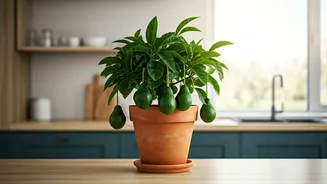
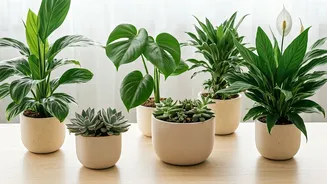
dappled sunlight for most of the day, avoiding harsh direct rays. Excellent drainage is non-negotiable to prevent the roots from sitting in water, a common cause of damage. If your local climate is cooler, don't despair; utilizing greenhouses or cultivating your nutmeg plant in pots indoors can help maintain the necessary warmth and humidity, ensuring your tree flourishes even outside its native tropical habitat.
Soil and Planting
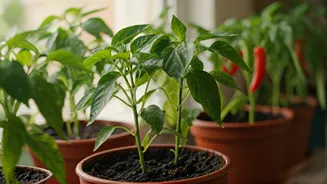
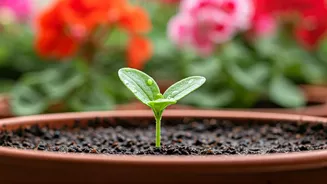
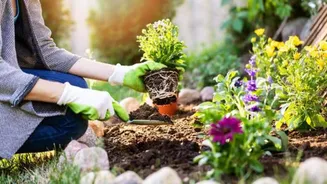
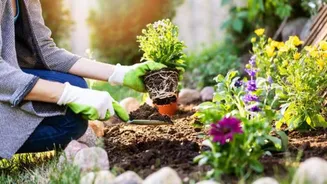
Nutmeg trees flourish in a nutrient-rich, well-draining soil mixture with a slightly acidic to neutral pH, ideally between 6 and 7. Before planting, significantly enhance the soil's fertility by incorporating generous amounts of organic matter, such as compost or thoroughly decomposed manure. You can sow the seeds directly into your prepared garden bed or opt for planting them in pots filled with a high-quality potting mix. Plant the seeds approximately two centimeters deep into the soil, ensuring they are kept consistently moist until you observe signs of germination, which is the crucial first step towards a mature nutmeg tree.
Watering and Feeding
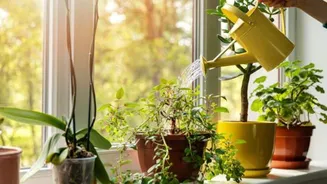
Consistent hydration is vital for healthy nutmeg tree development, yet it's essential to strike a balance and avoid overwatering, which can easily lead to detrimental root rot. Aim to water your plants thoroughly once a week, with the frequency adjusted based on local rainfall patterns and ambient humidity levels. To further encourage robust growth, fertilize your nutmeg tree every six weeks using a balanced fertilizer. This blend should be rich in essential nutrients like nitrogen, phosphorus, and potassium, providing the tree with the necessary sustenance for vigorous development and future spice production.
Trimming and Protection
Regular pruning plays a significant role in maintaining the health and shape of your nutmeg tree. It not only helps in defining the tree's structure but also greatly improves air circulation within its canopy, thereby reducing the likelihood of fungal diseases. Throughout the year, promptly trim away any branches that are dead, diseased, or damaged. Keep a vigilant watch on your plants for common pests such as aphids or spider mites. Should an infestation occur, opting for organic insecticidal soap is a recommended approach, as it effectively controls the pests without posing a threat to beneficial insects that contribute to a healthy garden ecosystem.