




Right Side, Calm Dreams
Research has delved into the intriguing connection between our sleeping positions and the nature of our dreams. A notable study published in 'Sleep and Hypnosis'
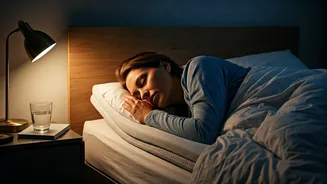
back in 2004 investigated this phenomenon by observing 63 volunteers. These participants were assigned to sleep on either their left or right side and subsequently completed a survey about their sleep quality and dream experiences upon waking. The findings were quite distinct: individuals who slept on their left side reported a significantly higher incidence of nightmares, with approximately 40.9% experiencing disturbing dreams. In stark contrast, only 14.6% of those sleeping on their right side reported similar unsettling experiences. Furthermore, the right-sided sleepers were more inclined to recall dreams filled with positive emotions, such as feelings of safety, relief, happiness, joy, hope, peace, relaxation, longing, and love. While these positive dream experiences were prevalent, the same group sometimes reported slightly lower overall sleep quality. The researchers hypothesized that dreaming and sleep quality are intertwined with underlying brain functions and might be influenced by body posture, suggesting potential implications for individuals with dreaming disturbances like nightmare disorder.
Stomach Sleeping Strangeness
Venturing beyond side sleeping, another study from 2012 conducted by researchers at Hong Shue Yan University examined stomach sleepers' dream experiences. This research involved a larger group of 670 participants, offering a more extensive dataset. The study highlighted that individuals who habitually sleep on their stomachs tend to have the most unusual or 'strangest' dreams, as described by the researchers. These dreams often featured intense and disturbing scenarios, such as feelings of suffocation, an inability to breathe, being confined, or being immobilized. Experts like Dr. Lisa Billars, Chief of Neurology and Sleep Medicine at Kaiser Permanente in Atlanta, suggest a potential physiological explanation. She posits that sleeping on the stomach might exert pressure on certain body areas, leading to sexually stimulating sensations. This physical stimulation, according to Dr. Billars, could be the underlying cause of erotic content frequently reported in the dreams of stomach sleepers. This suggests a direct physical influence on the subconscious during this sleep position.
Back Sleepers' Nightmares
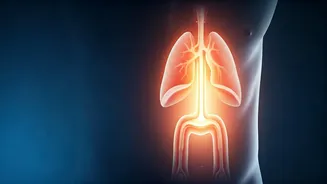
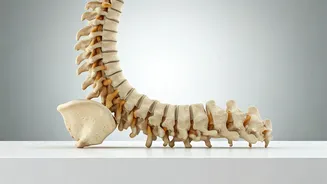
Individuals who prefer sleeping on their backs, or in a supine position, might also experience distinct dream patterns, particularly concerning nightmares. According to health experts like Dr. Lisa Billars, back sleepers are more prone to nightmares, a phenomenon potentially linked to obstructive sleep apnea (OSA). OSA is a recognized sleep-related breathing disorder characterized by recurrent interruptions in breathing throughout the night. Dr. Billars explains that for individuals with diagnosed or undiagnosed OSA, the severity of breathing pauses often worsens when sleeping on their back compared to sleeping on their side or stomach. During these apneic episodes, the airway can collapse or narrow, leading to a reduction in oxygen levels and an increase in carbon dioxide in the body. This physiological stress could contribute to the increased nightmare frequency. Furthermore, it's suggested that back sleepers might find it more challenging to recall their dreams, possibly due to the fragmented sleep patterns caused by OSA. However, it is important to note that some medical professionals, such as Dr. Alex Dimitriu, founder of Menlo Park Psychiatry and Sleep Medicine, express skepticism, suggesting that sleeping position has minimal to no impact on dream content.