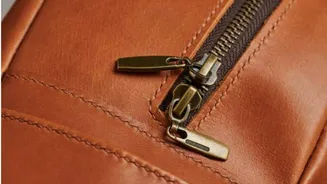




Inspect Zipper Teeth
The foundation of a functional zipper lies in its teeth. Before committing to a purchase, meticulously examine each tooth along the zipper's track. Ensure
they are uniformly aligned and free from any signs of damage, such as bends, cracks, or missing segments. Misalignment or physical defects can lead to the zipper snagging, jamming, or even detaching prematurely. A gentle glide of your finger along the entire length of the zipper teeth can often reveal subtle irregularities that might compromise its smooth operation. Prioritizing this inspection ensures the zipper will reliably secure your belongings without frequent frustration or the risk of spontaneous breakage during use, a common issue with poorly constructed zippers on otherwise attractive bags.
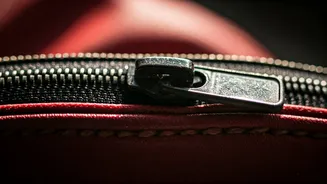
Test Zipper Pull
Beyond the teeth, the zipper pull itself warrants careful attention. This component, often overlooked, is your primary interface with the zipper mechanism. It should feel robust, comfortable to grip, and securely attached to the slider. A flimsy or poorly attached pull is prone to snapping off, which can render the entire zipper inoperable and the bag inconvenient to use. To thoroughly test its integrity, repeatedly zip and unzip the bag. Observe how smoothly the slider moves along the track. Any indication of catching, excessive force required, or a gritty sensation during this motion suggests a potential problem with the zipper's internal mechanism or lubrication, signaling a potential defect that could lead to future issues.
Check Loose Threads
The presence of stray threads around the zipper is a tell-tale sign of subpar craftsmanship and can significantly impact the zipper's longevity. Pay close attention to the seams where the zipper tape meets the bag's fabric. Any loose, frayed, or unraveling threads in this critical area suggest that the zipper may not be securely attached. Over time, these loose threads can loosen the stitching, leading to the zipper detaching from the bag entirely. Identifying such issues early on is crucial, as it indicates a lack of attention to detail during the manufacturing process, which could foreshadow other durability concerns with the bag itself.
Assess Material Quality
The overall durability of an African market bag is intrinsically linked to the quality of the materials used, especially for its closure system. Examine both the fabric of the bag and the material composition of the zipper itself. High-quality materials are designed to withstand the rigors of daily use, resisting abrasion, tears, and general wear and tear more effectively. A zipper made from cheap, brittle plastic or thin, low-grade metal will degrade quickly. Look for zippers with a substantial feel, whether metal or a robust, high-density plastic, and assess if the bag's fabric appears sturdy enough to support the zipper's function without tearing around the attachment points.
Evaluate Stitching Integrity
The security and resilience of a zipper are heavily dependent on the quality of the stitching that affixes it to the bag. Examine the stitching meticulously around the zipper's perimeter. The stitches should be uniform, tight, and consistent, creating a strong bond between the zipper tape and the fabric. Uneven, widely spaced, or visibly weak stitches are a significant red flag, indicating potential points of failure. Such poor stitching can easily give way under stress, leading to the zipper coming loose or detaching, which could result in your belongings spilling out unexpectedly. Ensuring robust stitching is paramount for peace of mind and the practical longevity of your market bag.